Planning a wooden terrace for your garden or balcony on a budget? Dreaming of a deck that stands the test of time? As experienced landscapers, we've helped countless homeowners choose the perfect long-lasting solution—let's explore the best options together.
Elegant and timeless, wooden terraces have become the go-to for balconies and gardens. They bring a natural, eco-friendly warmth to outdoor spaces, making wood one of the most sought-after materials today. Plus, with straightforward installation and minimal upkeep, it's no wonder they're so popular among professionals and homeowners alike.
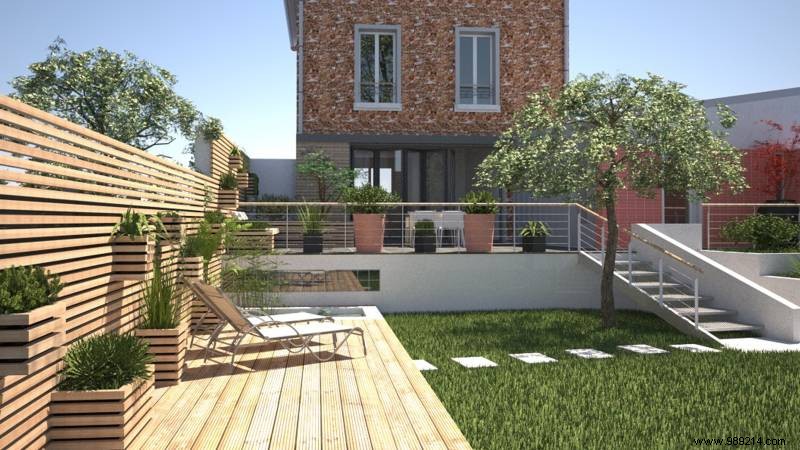
Choosing the right wood species is crucial for success. Key factors include your budget, desired aesthetics, and durability requirements. For superior resistance, especially in harsh climates, opt for treated or autoclaved wood. This professional-grade treatment protects against weather, rot, and insects, ensuring decades of performance.
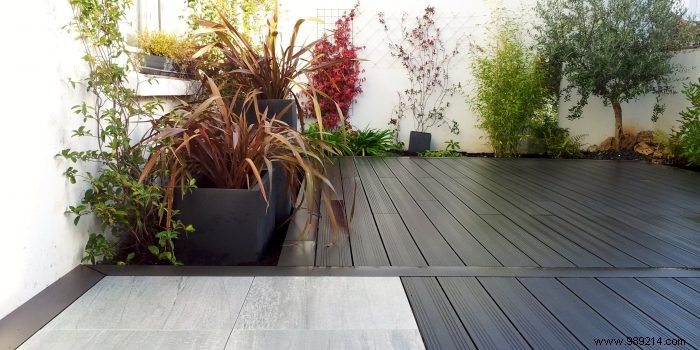
For truly low-maintenance appeal—just one annual cleaning—composite decking delivers. Crafted from recycled wood fibers, plastic resins, sawmill byproducts, and additives, it offers exceptional longevity with a natural wood look. It rivals exotic woods in strength, stays slip-resistant even when wet, and requires far less care.
That said, early-generation composites may feel less refined and retain more heat—something to consider for poolside or sunny spots. Newer versions address these issues effectively.
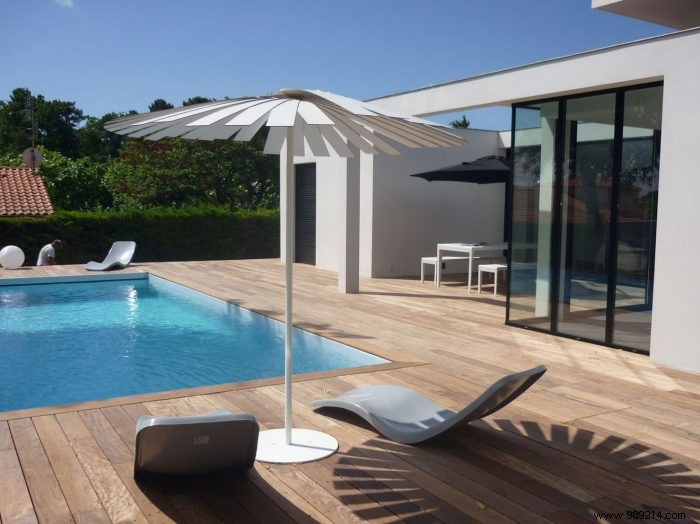
Prefer the real thing? Invest in high-quality, thicker boards—thinner budget options wear out faster. Softwoods like pine or spruce cost less than exotics but need autoclave treatment for optimal resistance, a step every pro landscaper endorses.
