Dogs love chewing on bones, toys, and unfortunately, furniture legs. Pet damage can mar the beauty and stability of your wooden chairs or tables. With our proven techniques—honed from repairing a set of dining room chairs—you can restore them affordably using basic tools and materials. No advanced skills required.
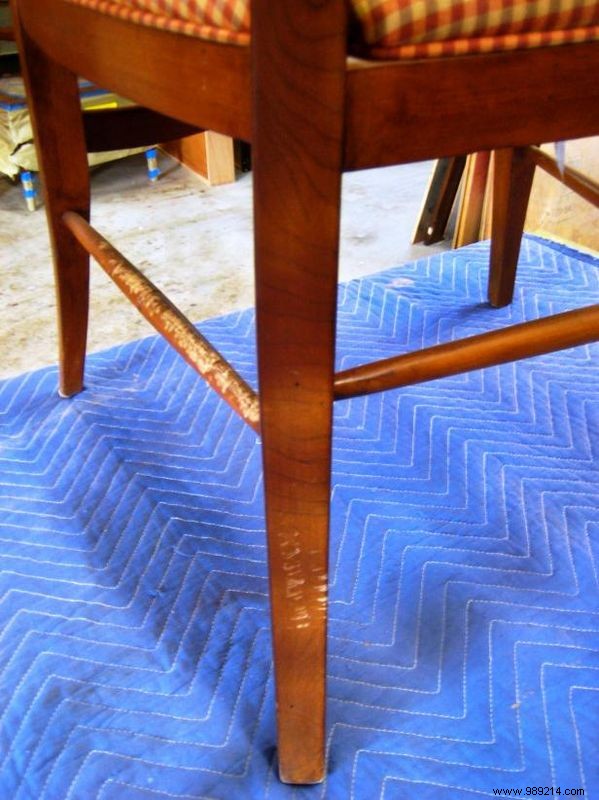
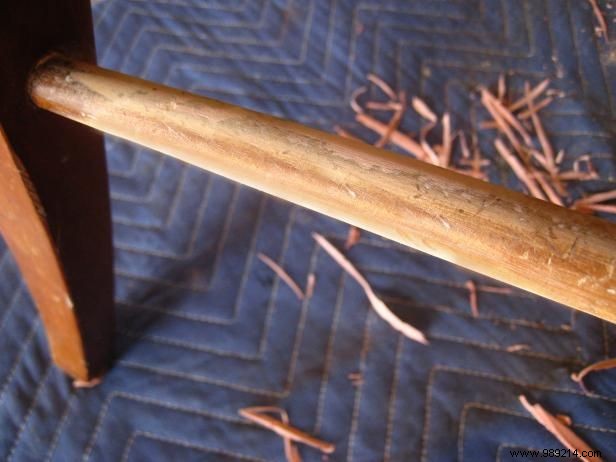
Before: A chair leg ruined by dog chewing.
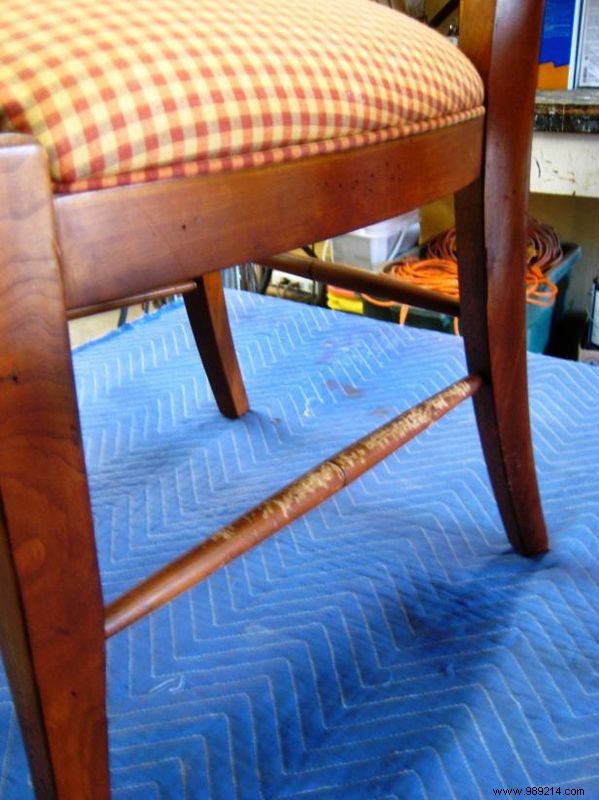
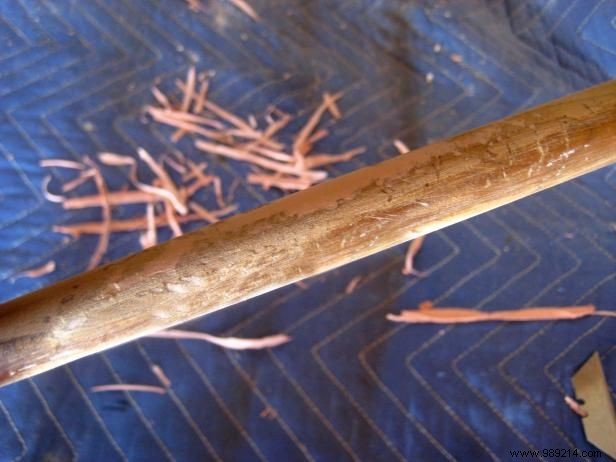
Before: These chair rungs are at prime dog-chew height.
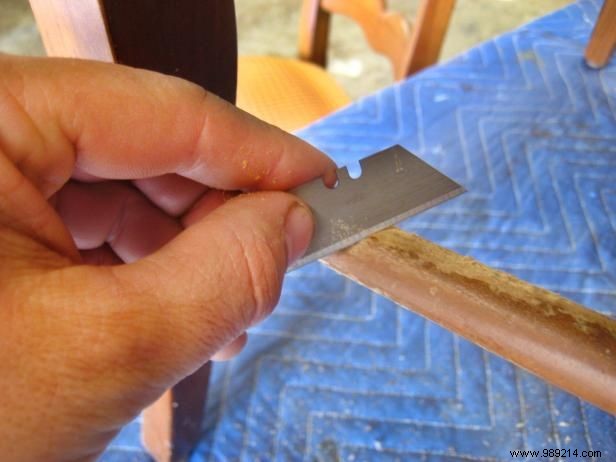
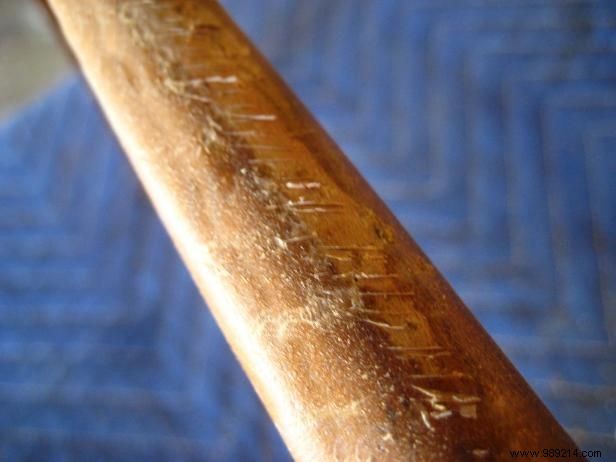
Score the chewed spots with diagonal hatch marks or X-cuts using a utility blade, as shown in the photos. Avoid using the blade in its holder for better control—tape the end for finger comfort. Grip firmly between thumb and forefinger, then scrape away frayed wood edges protruding from the surface.
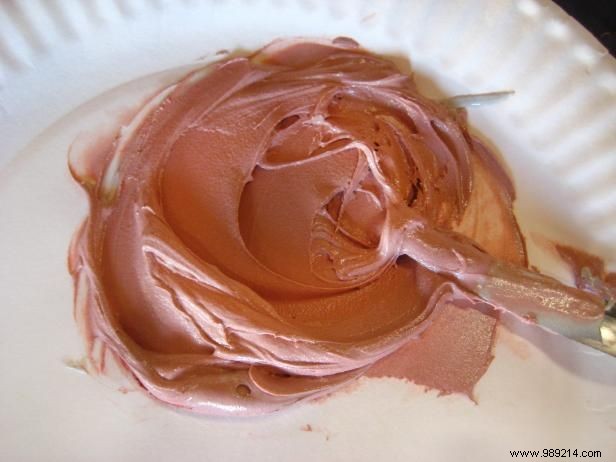
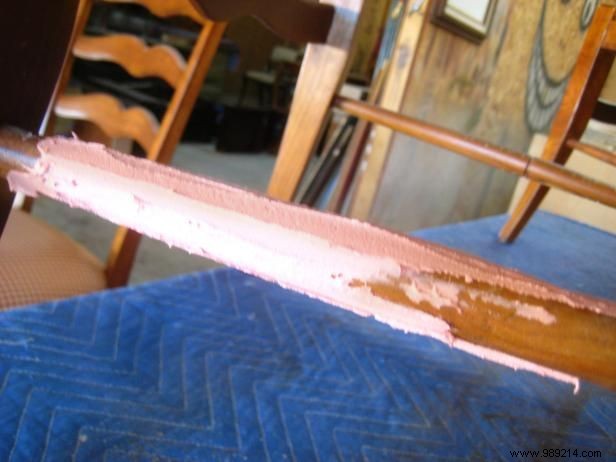
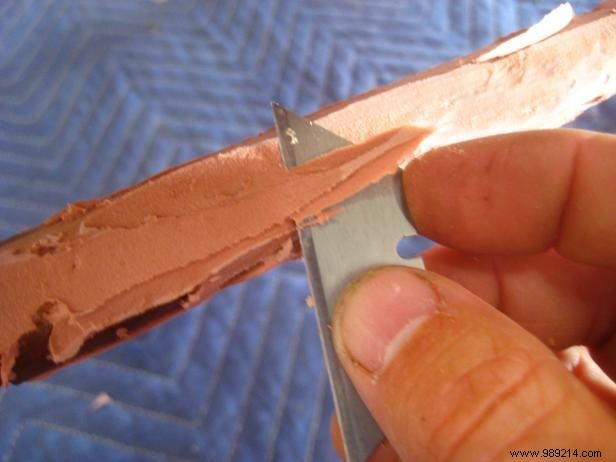
Mix auto-body filler (like Bondo) per manufacturer instructions. Apply in layers to build up flush with surrounding wood—it sets in about 5 minutes, so mix small batches. Work one area at a time, repeating steps as needed. Use a spatula to blend the two-part epoxy on a paper plate for 30 seconds. Once dry to the touch (not fully hard), slice off excess with a knife blade and reshape. Sand later for precision.
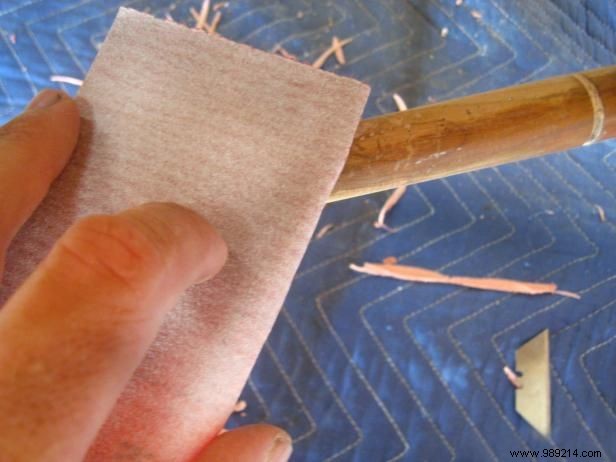
Start with 150-grit sandpaper to level the filler, feathering edges into undamaged wood. Sand nearby areas lightly for seamless blending. Finish with 220-grit for a silky surface.
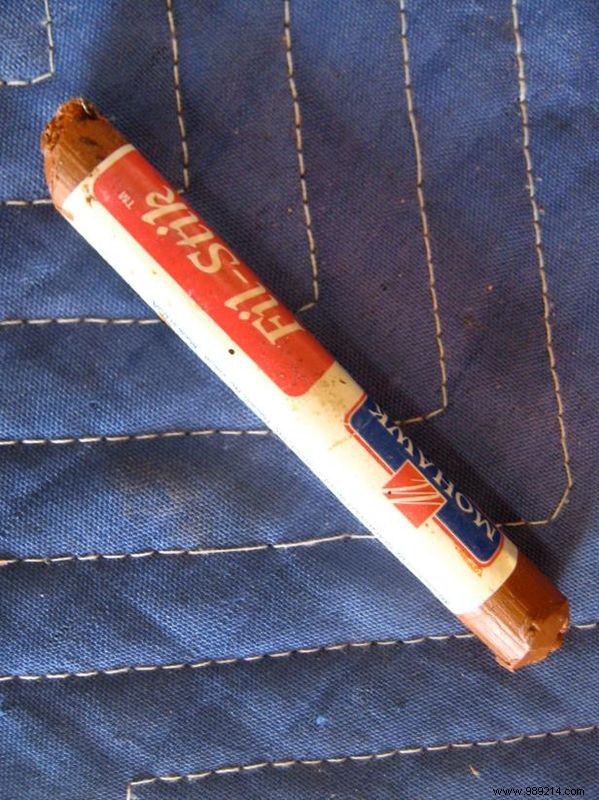
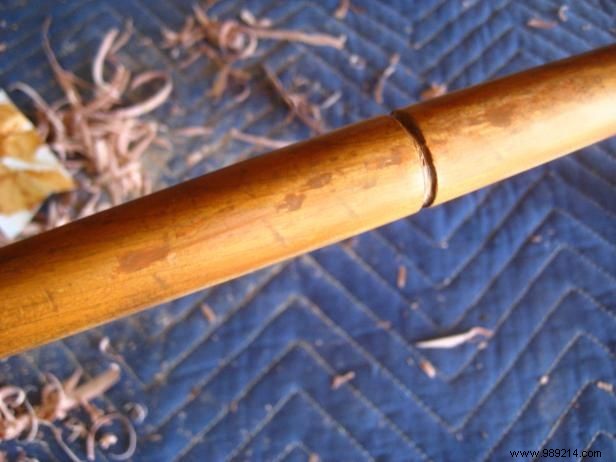
Apply wood-toned filler wax crayons over the sanded repair. Rub with thick paper (like a business card) to press wax into pores and buff away excess, creating a flawless finish. Fingertip-check for imperfections.
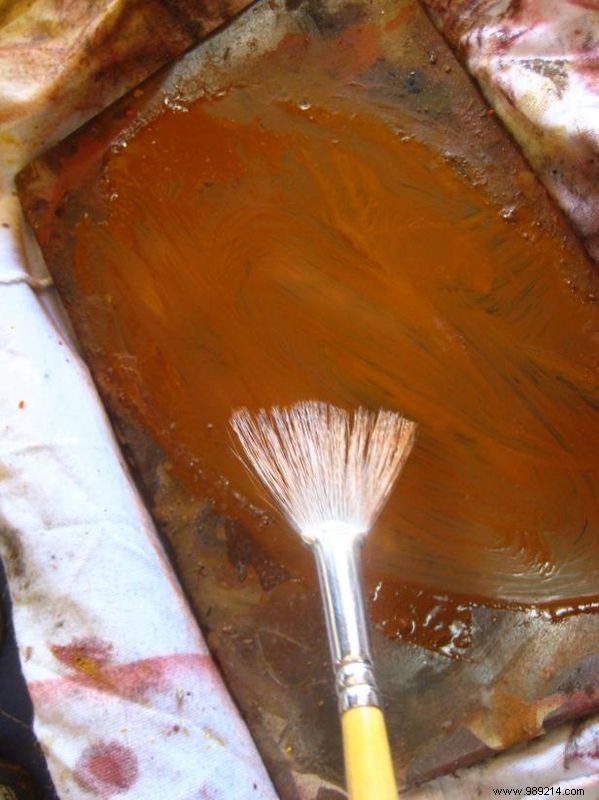
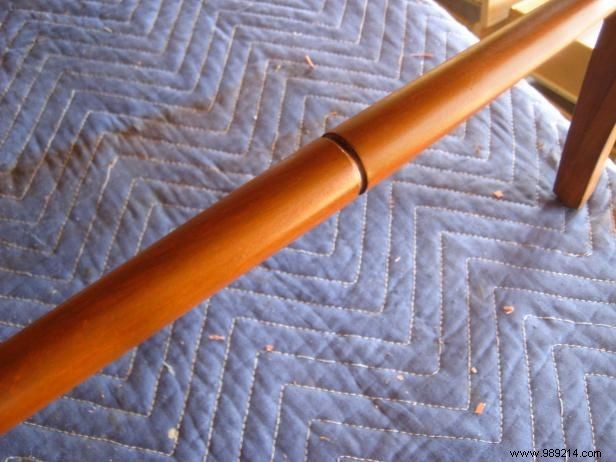
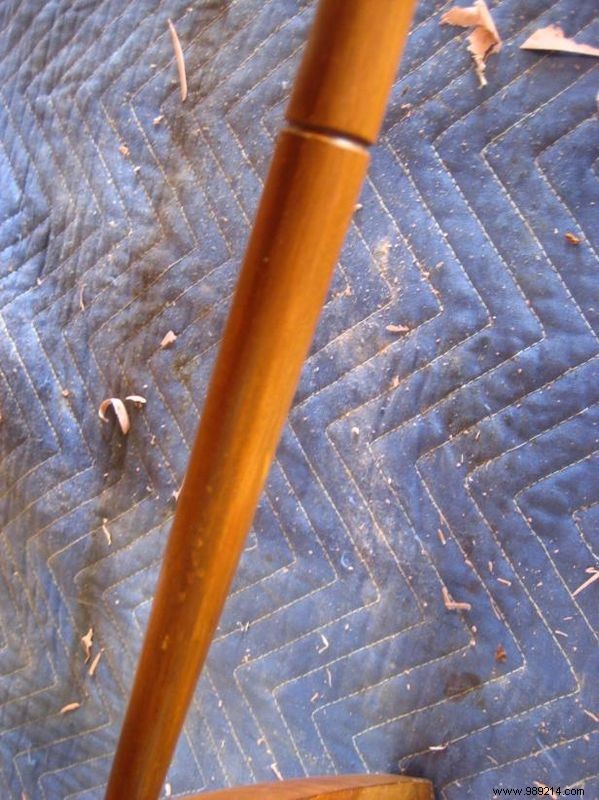
Mix acrylic paints: base midtone brown, adjusted with white, black, red, yellow, or orange. Layer lighter and darker shades to mimic wood grain. Build gradually for authentic depth that fools the eye.
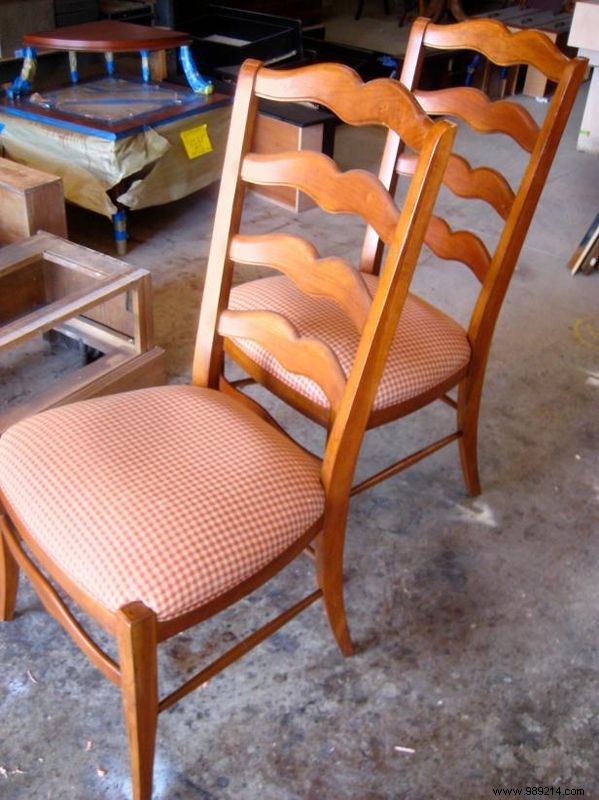
Once paint dries, spray light coats of clear lacquer—multiple thin layers prevent runs. For perfect sheen match, start brighter and buff with 000 steel wool after drying. Avoid sanding through to the color.
