Modern building standards are increasingly incorporating layouts for people with reduced mobility (PMR), focusing primarily on spatial access rather than equipment adaptability. While progress in this area remains gradual, it's a positive step toward greater inclusivity.
When retrofitting an existing bathroom for PMR users, practical equipment and accessories offer straightforward, aesthetically pleasing solutions that are easy to install (see costs here). This guide provides proven strategies from experienced installers to enhance bathroom accessibility.
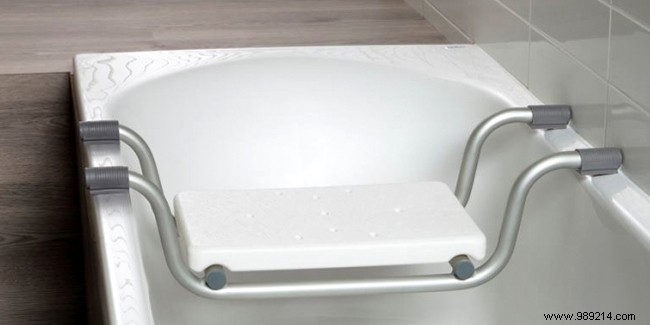
Source: Bathroom PMR PlaneteBain
In France alone, nearly 300,000 individuals qualify as PMR, encompassing not just wheelchair users but also seniors facing age-related challenges, those with obesity, pregnant individuals, or anyone recovering from injury—temporary or permanent. With home care services on the rise, enabling independent living at home is more feasible than ever. An adapted bathroom benefits the entire household.
While new construction norms address wheelchair navigation, specialized fixtures and accessories ensure full functionality. Certified professionals like Handibat installers and the Soliha network offer tailored solutions for diverse disabilities. Funding is available through the National Agency for Housing Improvement (ANAH).
Walk-in showers are the gold standard for PMR accessibility. Opt for flush-level models or those with a maximum 2 cm threshold, clearly marked to prevent trips. Equip with non-slip flooring, wall-mounted grab bars for stability, and a fixed shower seat (with or without backrest and armrests). Choose thermostatic faucets positioned for easy reach by users and caregivers.
Secure standard bathtubs with non-slip mats, integrated seats, and grab bars. Taps should be user-friendly and accessible. Walk-in bathtubs provide excellent entry for most users, depending on step height.
Install sinks at a seated height (around 80-85 cm) with knee space underneath. Offset siphons and side-mounted storage prevent interference.
Fix toilets at 45-50 cm height, surrounded by grab bars. Look for adjustable-height or self-cleaning models for optimal hygiene and ease.
Beyond fixtures, prioritize non-slip flooring throughout to minimize fall risks—eliminate rugs and obstacles. Ensure ample, even lighting with ceiling fixtures and task lights at the sink for clear visibility.
