Smart lighting products are everywhere—from department stores and specialty shops to online retailers. With so many options, distinguishing between them can be challenging. Fortunately, we've tested and compared the leading protocols to simplify your choice.
In this guide, discover the key differences between Bluetooth Smart, Wi-Fi, and Zigbee smart lighting standards, along with real-world examples. You'll gain the insights needed to select the best fit for your home and lifestyle.
Unlike standard LED bulbs, smart lights offer app-controlled automation that adjusts based on factors like daylight availability. Look for 'Smart' in the name and app compatibility in the description. These bulbs connect wirelessly via Bluetooth Smart, Wi-Fi, or Zigbee.
Introduced in 2011 as Bluetooth 4.0 (Bluetooth Low Energy), this standard powers personal area networks for home, health, fitness, and security applications. It operates on the 2.4GHz band with low power use, quick connections, and sleep mode.

Pros: No hub required—control directly from your smartphone. Ideal for mixing brands, and typically the most affordable option.
Cons: Limited to local control (no remote access outside range). Supports only 1-to-1 connections, so one device at a time in multi-user homes. Schedule scenes before leaving.
The Ilumi lighting collection offers hub-free bulbs with app presets, effects, music sync, and default switch-on settings.

The Flow Bluetooth Smart LED Light Bulb ($35 single, $100 for three-pack) features multicolor options and sunrise wake-up mode.
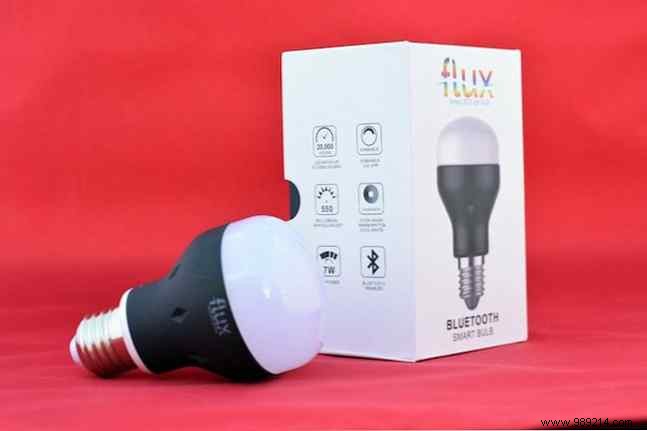
For variety, MagicLight Bluetooth bulbs are dimmable, energy-efficient, and start at $28 in multiple styles.
Wi-Fi powers most home networks, connecting devices like computers and smart TVs. Early versions drained batteries, but modern chips have improved efficiency.
Pros: Works anywhere with internet for global remote control.
Cons: Dependent on Wi-Fi stability; outages disable control. Generally pricier than alternatives.
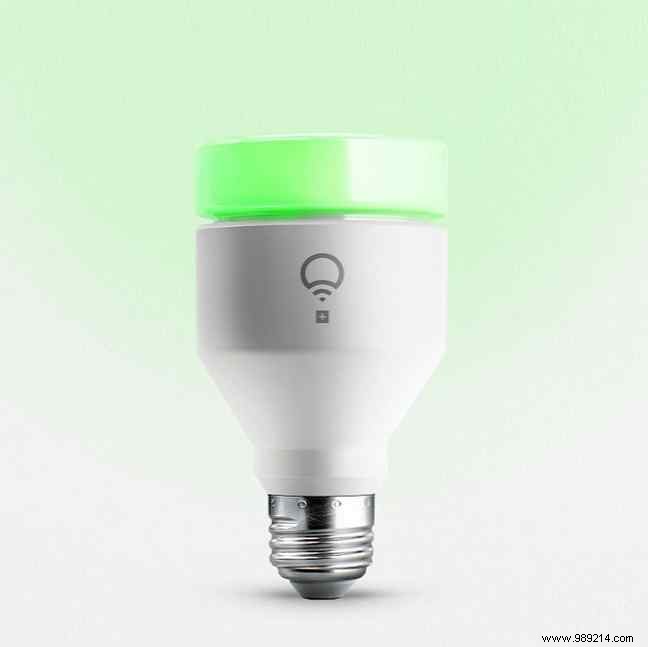
LIFX bulbs (A19, BR30, LIFX+) offer 16 million colors plus infrared for security cameras.
Flux WiFi Smart LED Light Bulb (Second Edition) supports up to 50 bulbs via app, individually or grouped.
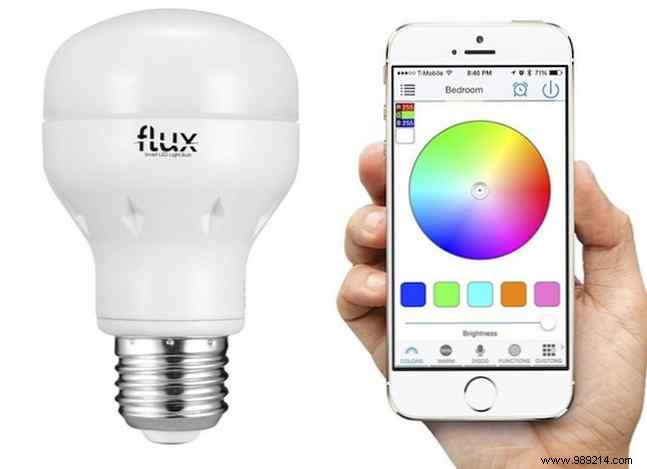
For a full range, TP-LINK bulbs (white, color, dimmable) start at $35.
Zigbee creates low-power mesh networks where devices relay signals, ensuring reliability without a central router.
Pros: Connects hundreds of devices simultaneously.
Cons: Requires a hub (adds ~$50), though it resolves connectivity issues.
Cree Connected LED Bulb delivers soft white light, app-dimmable, and budget-friendly.
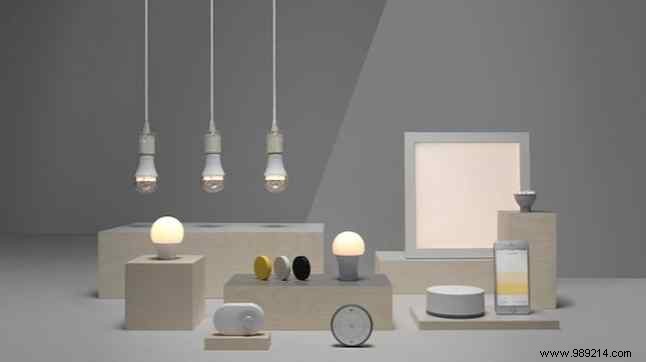
IKEA's TRÅDFRI line includes bulbs, dimmers, remotes—affordable and versatile.
The flagship Philips Hue system (since 2012) offers white, ambiance, and full-color bulbs syncing to music/TV/games.

Philips Hue White Ambiance suits focused tasks; basic White is the most economical.
Some systems support multiple protocols, like Philips Hue (Zigbee primary, Wi-Fi compatible). Services like IFTTT enable cross-protocol integration.

Key questions: Need remote control? Budget? For local use, Bluetooth Smart is cheapest and simplest. Wi-Fi or Zigbee excel for advanced setups (Zigbee needs hub).
In my home, I mix protocols for evolving needs—proving flexibility works.
Smart lighting evolves rapidly; compare carefully for your setup.
What's your go-to smart lighting and why? Share in the comments.