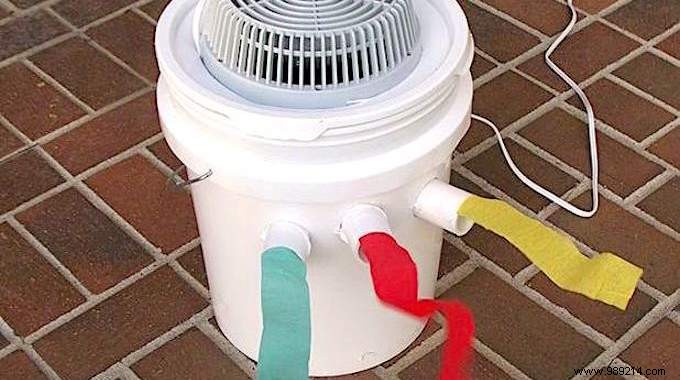
As temperatures soar, staying comfortable indoors becomes a challenge. High humidity and heat waves can make homes unbearable, especially without central AC.
While traditional air conditioners are effective, their high cost puts them out of reach for many. Fans offer some relief, but they just circulate warm air during extreme heat.
That's why I've put together this proven DIY solution: a simple homemade air conditioner using a fan and frozen water bottles. As a DIY expert with years of hands-on projects, I can confirm it's reliable, portable, and budget-friendly.
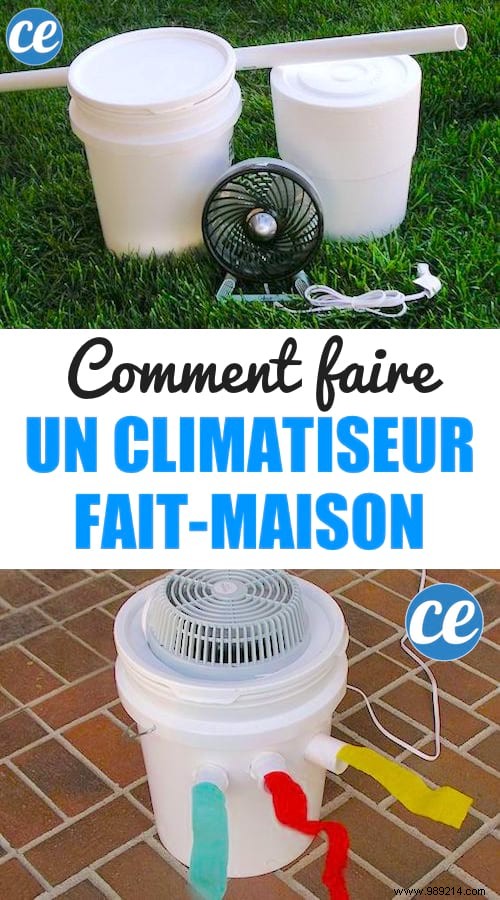
This setup is straightforward to assemble, costs pennies compared to buying a unit, and moves easily from room to room—perfect for cooling your bedroom at night.
Ready to stay cool? Follow this step-by-step tutorial, tested in real heat waves.
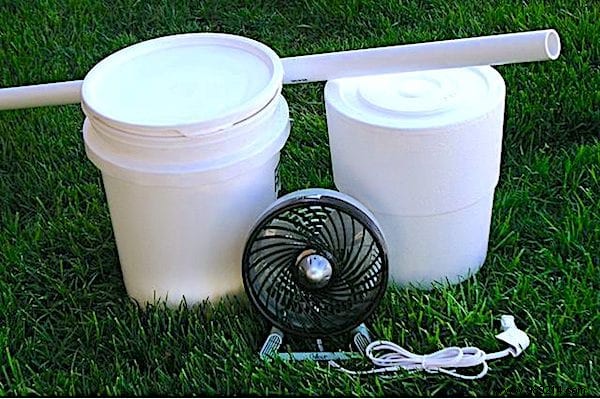
1. Place the fan face-down on the bucket lid and trace its outline with a pencil.
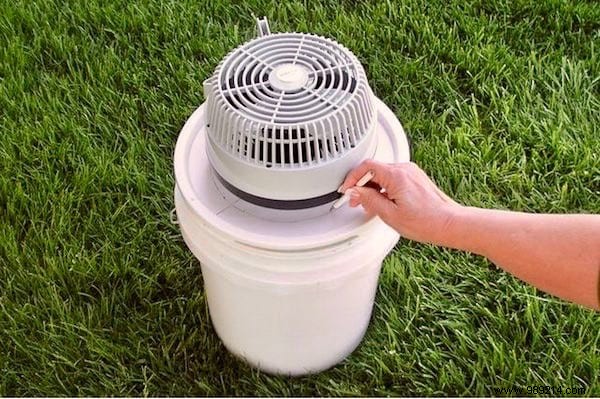
2. Carefully cut along the line with a cutter, staying slightly inside for a snug fit. Cut slowly like a saw; widen if needed.
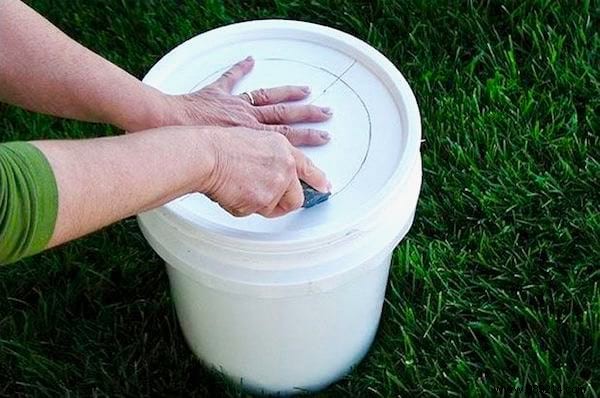
Note: For thick lids, drill a 5mm starter hole and use a fine-tooth saw or jigsaw.
3. Trim fan feet or supports with a hacksaw if necessary for fit.
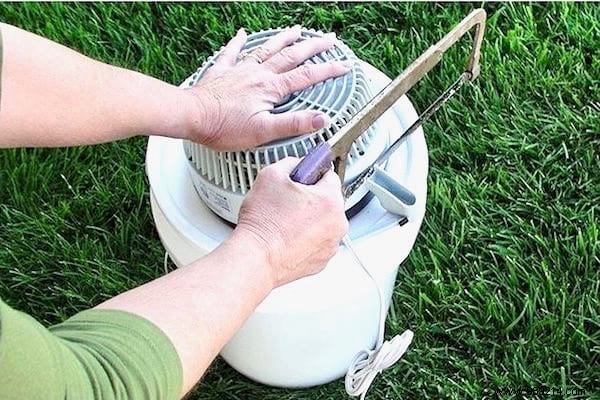
4. Insert the fan into the lid hole and set aside.
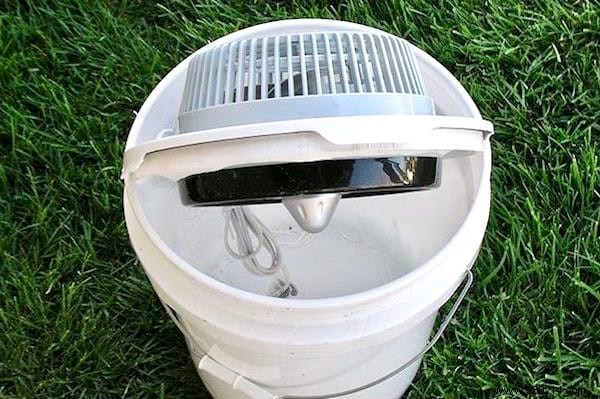
5. Drill three holes in the bucket's side using the hole saw (same diameter as PVC pipe).
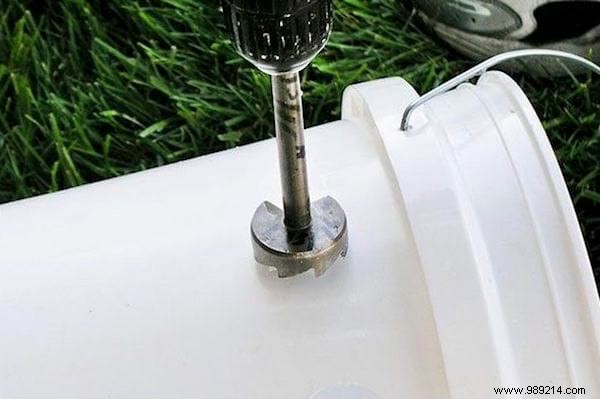
6. Nest the polystyrene bucket inside and drill matching holes using the outer bucket as a guide.
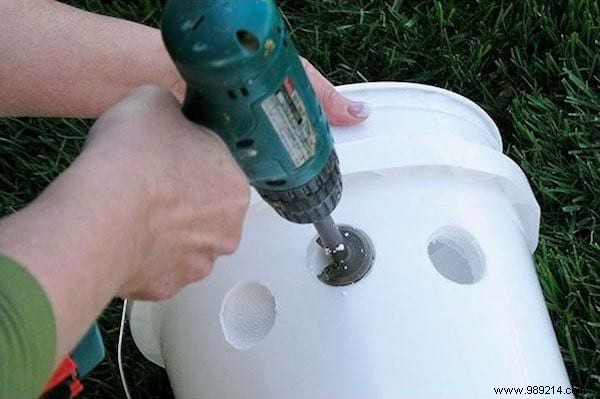
Note: No polystyrene? Line the plastic bucket's interior with insulating foam.
7. Cut PVC pipe into three 7-10 cm pieces with the hacksaw.
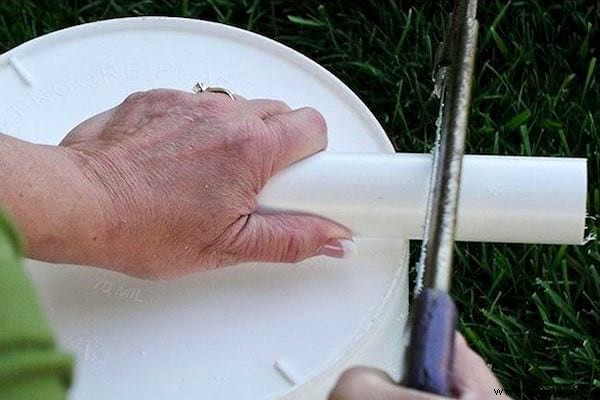
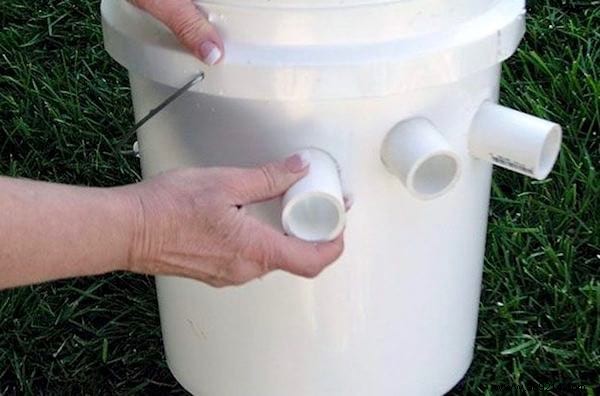
8. Insert pipes into holes. Seal gaps with expanding foam if loose.
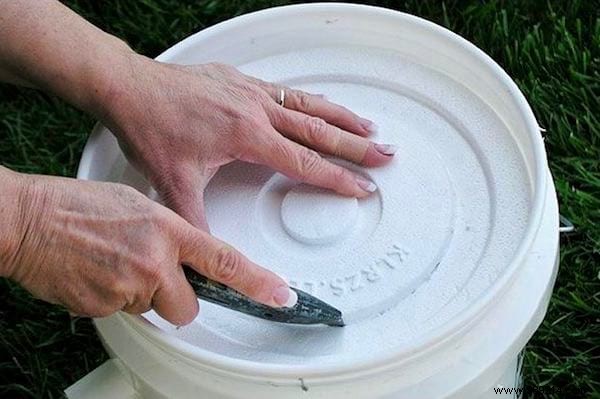
9. Cut the polystyrene lid to fit the fan (optional for better insulation and 6-hour runtime).
10. Fill with frozen bottles.
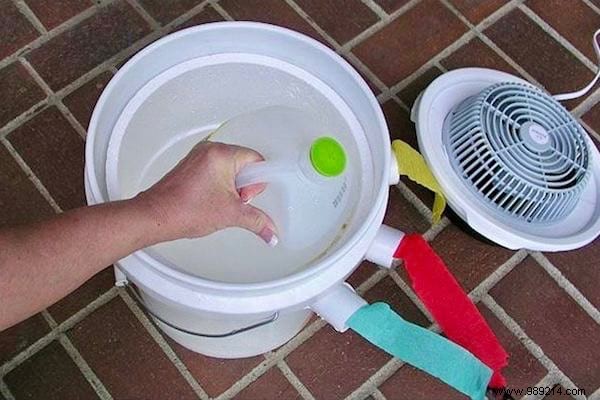
11. Secure the lid with fan.
12. Plug in and enjoy cooled air.
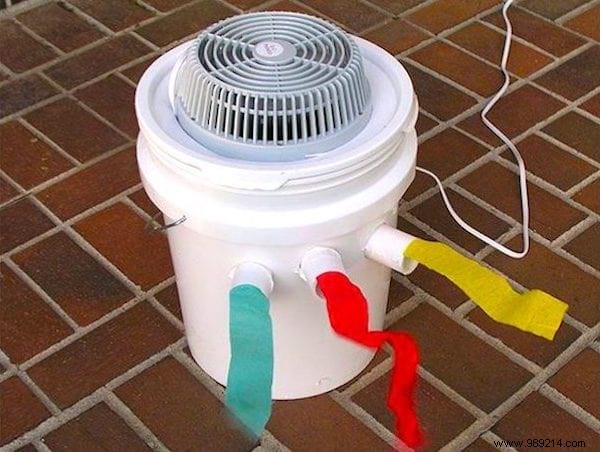
Your DIY AC is complete! Quick, inexpensive, and far cheaper than commercial units. It delivers fresh, cool air all day and portability for any room.
Ideal for heat waves—saving money while staying comfortable.
Prep extra frozen bottles in advance for continuous cooling.
Source materials cheaply; ask builders for free buckets.
Make multiples to share with vulnerable folks like the elderly during heat alerts.
