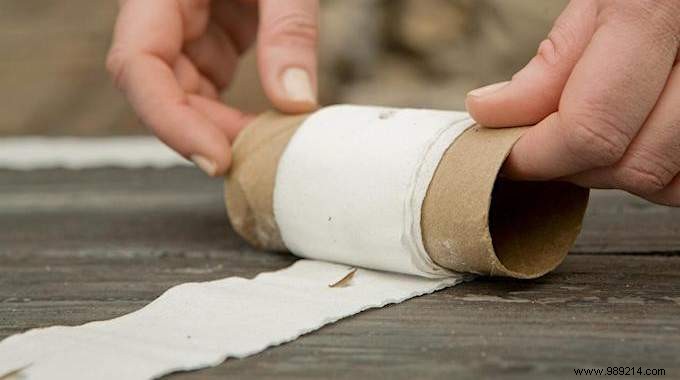
Proper spacing is essential when planting seeds for optimal growth. Tiny seeds like carrots, lettuce, and leeks can be tricky to position evenly.
They often clump together or scatter unevenly, leading to poor results.
No need to buy commercial seed tapes! As experienced gardeners know, you can easily make your own using toilet paper. Here's how:
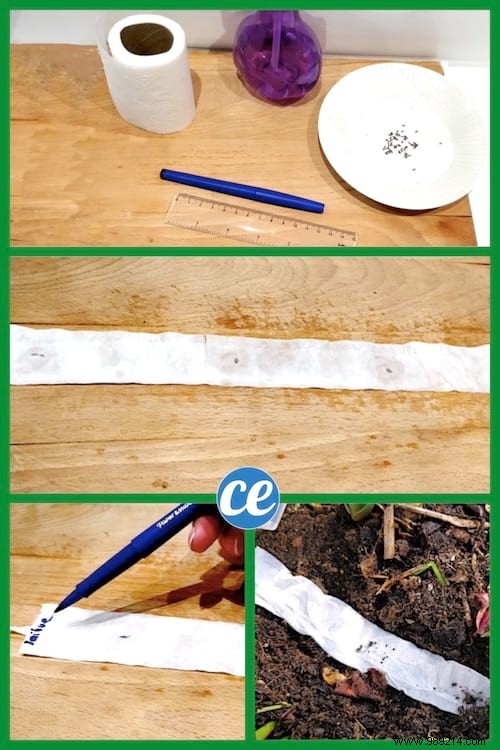
1. Unroll a strip of toilet paper on a table.
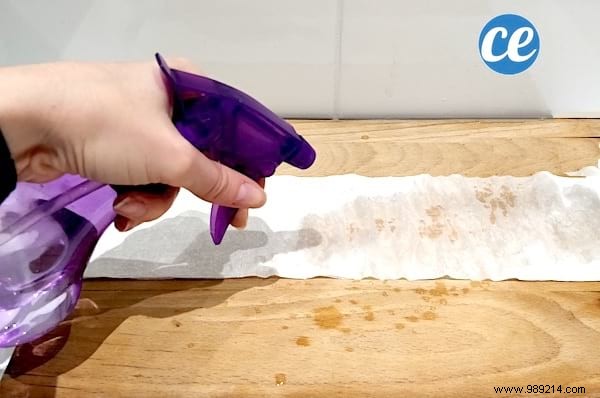
2. Lightly dampen it with a spray bottle of water.
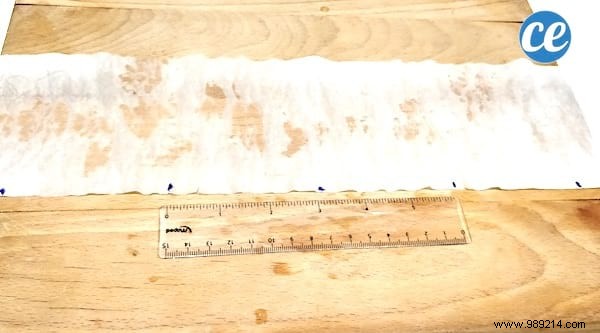
3. Mark spacing intervals on the paper using a ruler and pen, following the seed packet recommendations.
4. Place seeds in the center of the paper at each mark.
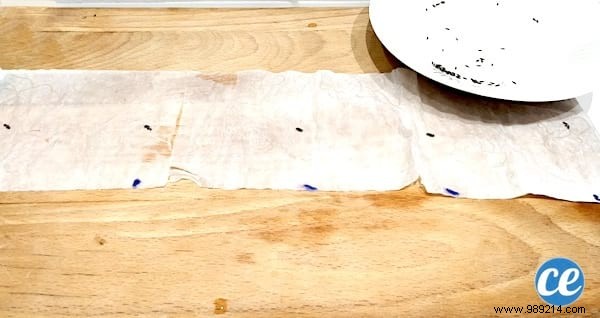
5. Fold the toilet paper in thirds lengthwise—first one side, then the other—to enclose the seeds.
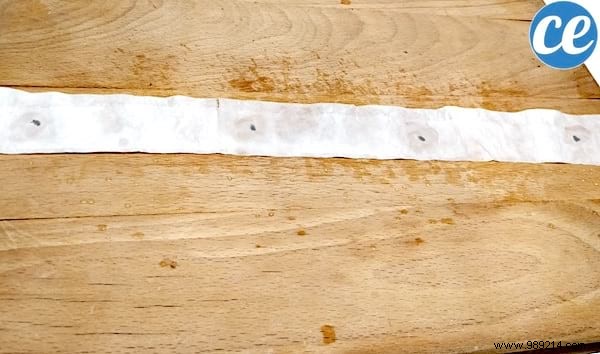
6. Gently press the paper to secure the seeds in place.
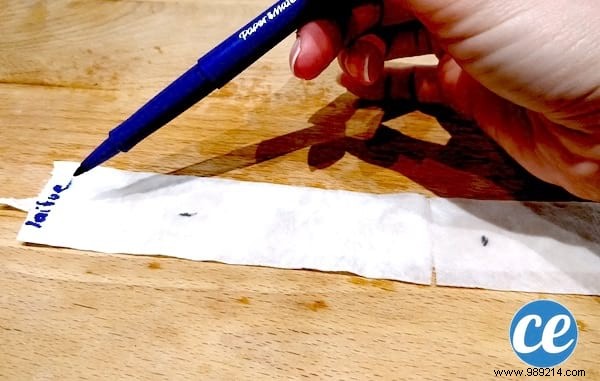
7. Label the strip with the seed variety.
8. Carefully roll or transport the ribbon to your garden.
9. Loosen the soil in your planting area.
10. Lay the seed ribbon in the furrow and cover with a thin layer of soil.
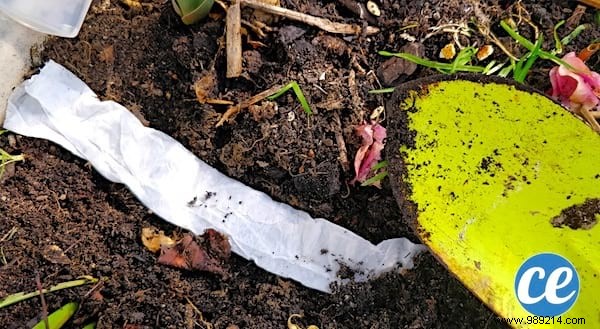
And there you have it! Homemade seed tape for perfectly spaced planting.
Quick, inexpensive, and reliable—this method works wonders for vegetable patches or flower beds.
It also adapts well to paper towels for larger areas.
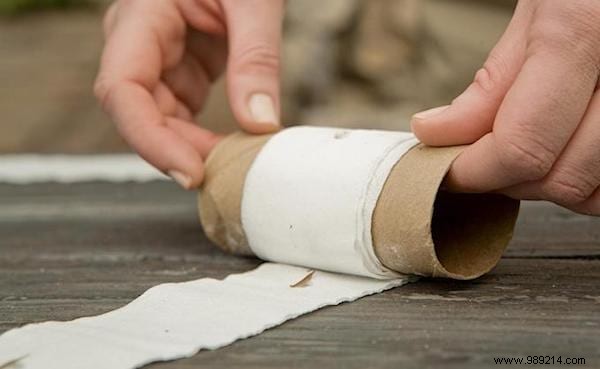
For easy transport, roll the strips around an empty toilet paper tube.
Mix seed varieties too, like alternating carrots and radishes, for companion planting benefits.
