10 Proven Strategies for Reducing Chemicals in Your Garden—Mulching as the Key 5th Step
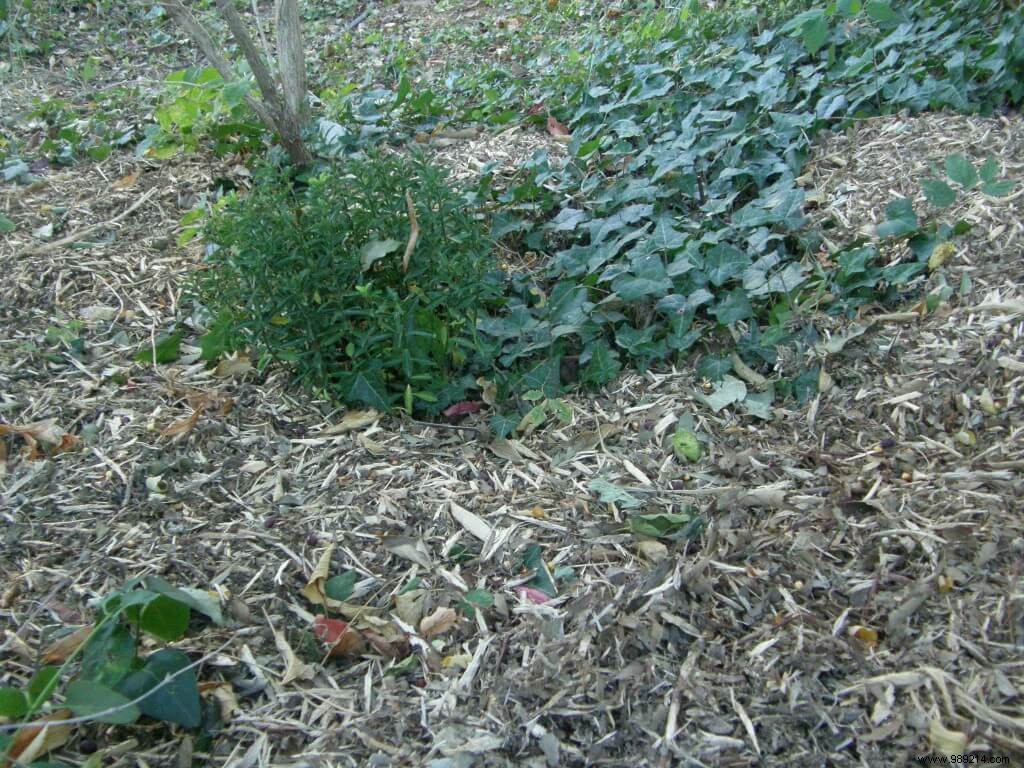
As seasoned gardeners know, covering the soil with mulch offers multiple benefits: it minimizes water evaporation, suppresses weed seed germination, shelters soil life, and enriches the ground with organic matter when using plant-based materials. Importantly, mulched soil resists erosion and compaction far better than bare earth.
Mulching protects and nourishes your soil
Mulch shields the soil from heavy rain impacts that cause compaction and surface runoff, stripping away vital minerals and organics. This prevents water and wind erosion, preserving essential nutrients.
Soil organisms benefit too—insects, larvae, and more thrive beneath the mulch layer, creating a vibrant ecosystem absent on exposed ground.
Straw or other mulches block light to weed seeds, hindering germination and easing your weeding efforts. Perennial weeds with established roots may push through, but seed-based invaders are kept in check.
Acting as an insulating blanket, mulch guards roots against winter chills and summer heat, tying directly into smarter irrigation practices (see point 4).
1. Plants adapted to their environment
2. Biodiversity
3. Soil fertility
4. Irrigation management
5. Mulching
6. Managing invasive plants
7. The right gestures at the right times
8. The right tool, adapted, maintained
9. Companion plants
10. Crop rotation: 2 years of vacation!
Conclusion