10 Proven Techniques for a Pesticide-Free Garden: Focus on the Right Tools, Properly Maintained
As an experienced gardener with years in landscape design, I've learned that even the best techniques fail without the proper equipment. Dull blades lead to poor cuts that heal slowly, while ill-suited tools cause unnecessary fatigue and strain.
No tool is one-size-fits-all. Invest in or borrow specialized equipment designed for specific tasks, prioritizing ergonomics. Early in my career at 16, I struggled with a 3kg pickaxe, exhausting myself midway through the day. Switching to a 2kg model in my next role transformed my efficiency.
Opt for secateurs sized for small hands, telescoping hedge trimmers with harnesses, or spades shaped for easier soil penetration. Match tools to your build for comfort and effectiveness.
Cutting tools like pruners, hedge trimmers, and loppers demand sharp blades. A dull edge causes ragged cuts prone to disease and joint pain from extra force. If a pruner struggles, switch to a small saw instead of forcing it—likely it's mismatched or blunt.
Sharpen hoes with a file for cleaner weeding with less effort. Rinse soil-covered tools with water after use. Before winter storage, oil metal parts to prevent rust.
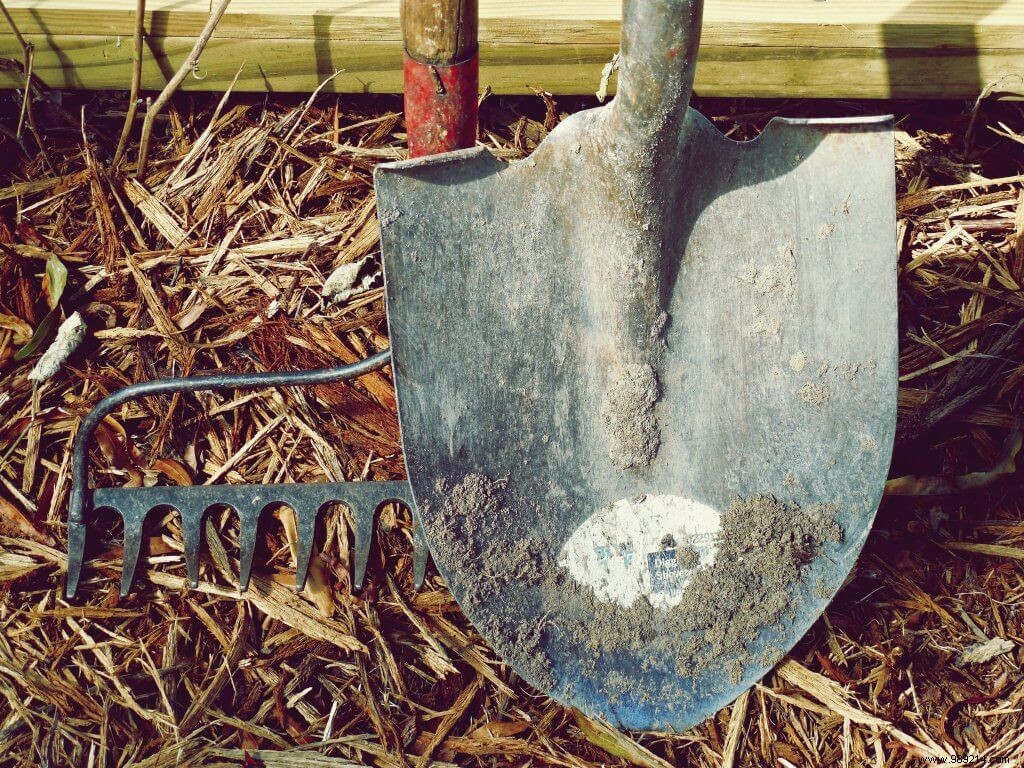
Wipe cutting tools with alcohol before pruning each new plant—a proven prophylactic against disease spread. After finishing one shrub, spray with alcohol or white vinegar to protect the next.
1. Plants adapted to their environment
2. Biodiversity
3. Soil fertility
4. Irrigation management
5. Mulching
6. Managing invasive plants
7. Right gestures at the right times
8. The right tool, adapted, maintained
9. Companion plants
10. Crop rotation: 2 years off!
Conclusion

