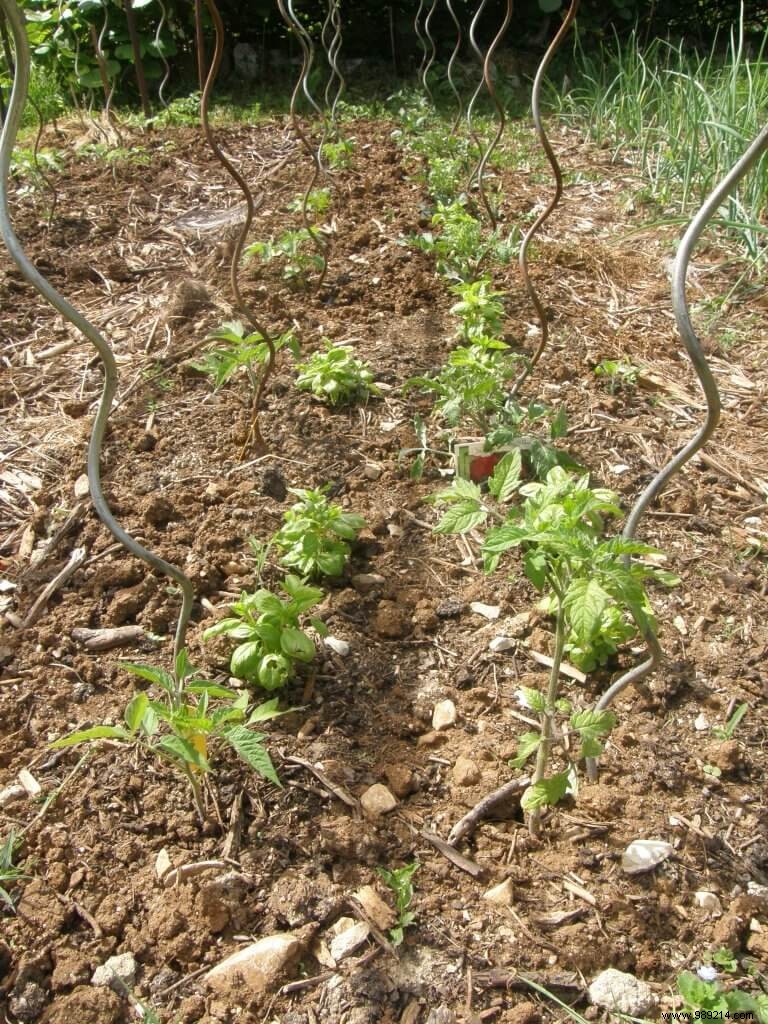
10 Proven Techniques for a Pesticide-Free Garden – Technique 10: Crop Rotation
As seasoned gardeners know, you should never grow the same plant in the same spot two years running. There are two key reasons: soil depletion and disease prevention.
First, each plant species draws specific nutrients from the soil. Planting the same crop again leads to deficiencies, stunting growth and yields.
Second, it's a sanitary measure. Pests or diseases that took hold in year one will thrive in year two, hitting harder than before.
The solution? Rotate crops from different botanical families and vary the harvested parts—leaves, stems, flowers, fruits, seeds, or roots.
Planning ahead is key. Sketch a garden map and rotate at least every other year, meaning no plant returns to the same spot sooner than that. Exceptions apply:
These perennials need 7-8 years before returning to the same bed. Reserve ample space for them.
Square No. 1
Square No. 2
Conclusion