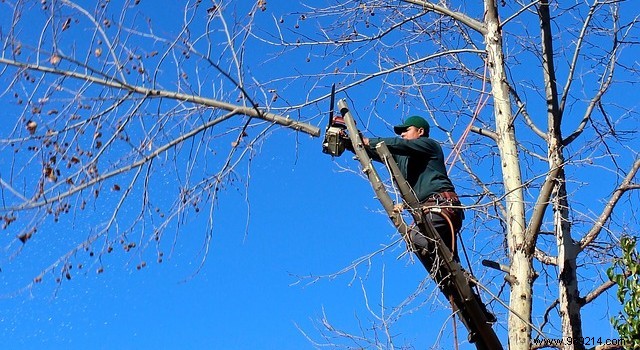
As an experienced arborist with years of hands-on tree care, I've seen proper pruning transform weak, overgrown trees into strong, vibrant specimens. Pruning removes damaged branches to spur healthy new growth, shapes the canopy for beauty, and controls size. Follow these six essential steps to prune safely and effectively without harming your tree.
Before making a single cut, assess the tree and clarify your objectives—whether it's health, shape, or size control. Examine branches carefully to identify what needs removal. Thoughtful planning ensures pruning supports the tree's vitality rather than causing stress.
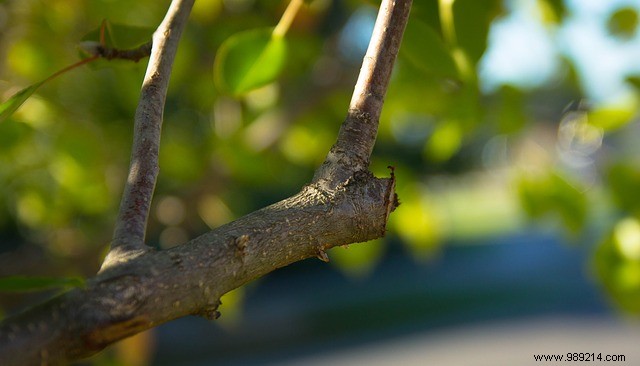
Distinguish the tree's main scaffold branches—the core structure that must remain intact—from secondary ones suitable for pruning. Timing matters too; prune during the dormant season for optimal recovery and stronger regrowth, drawing from proven horticultural best practices.
Wind, storms, or heavy rain often break branches, diverting vital nutrients and water from healthy parts. Promptly excise these to redirect resources, promoting vigor throughout the tree—as confirmed by extensive field experience.
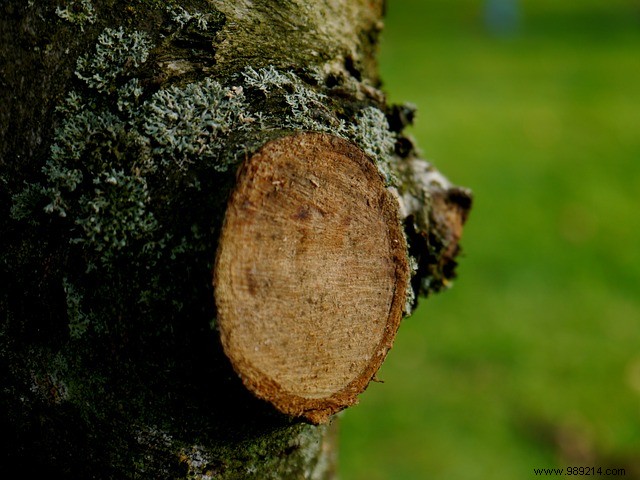
Thinning dense foliage allows sunlight and air to penetrate, preventing disease and fostering growth. Selectively remove overcrowded branches without over-thinning, creating an ideal environment for the tree to thrive.
Overhanging limbs can obstruct paths, driveways, or utility lines like power or telecom wires, posing safety risks. Trim these proactively to restore safe access and enjoyment of your landscape.
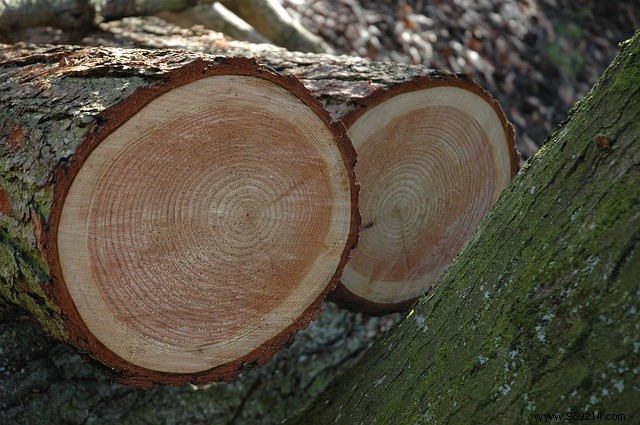
For a balanced, rounded form, cut back protruding or awkwardly angled branches. This refined technique yields harmonious shapes, enhancing your garden's curb appeal year-round.
