As experienced furniture restorers, we've transformed countless antiques. Here, we refinished an oak chair with a Mid-Century Modern color scheme, blending eras for an eclectic vibe that elevates any space.
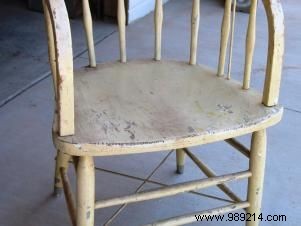
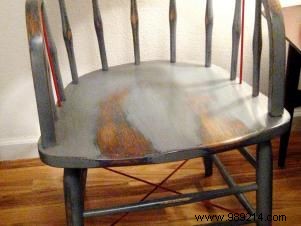
This antique oak chair, prized for its stability and natural beauty, had been repainted multiple times, resulting in a cracking, unstable finish. While staining is common in antique shops, we opted for solid paint to unlock unique creative possibilities. Always prioritize safety: follow product instructions, wear protective gear, and embrace your creativity!
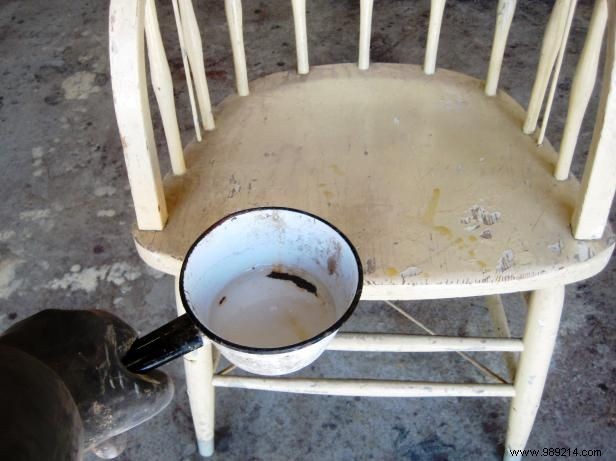
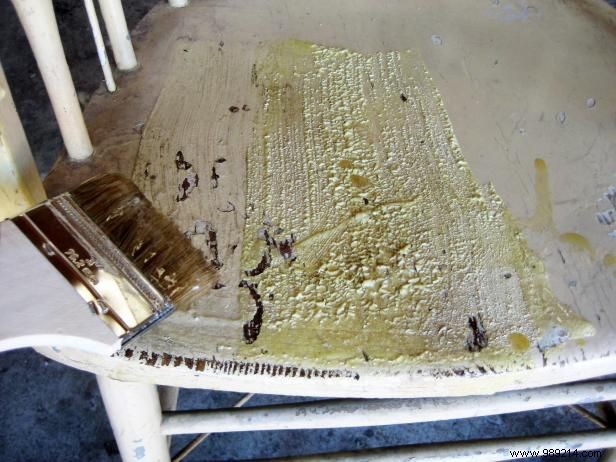
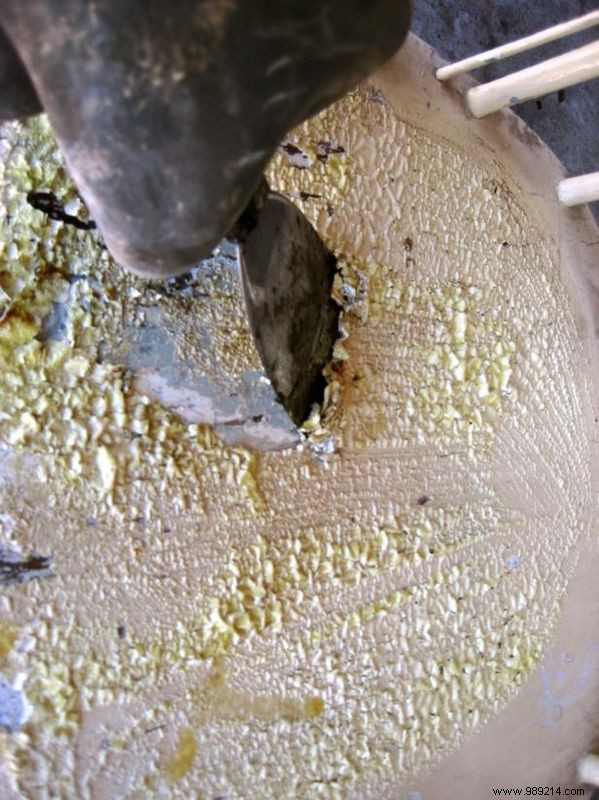
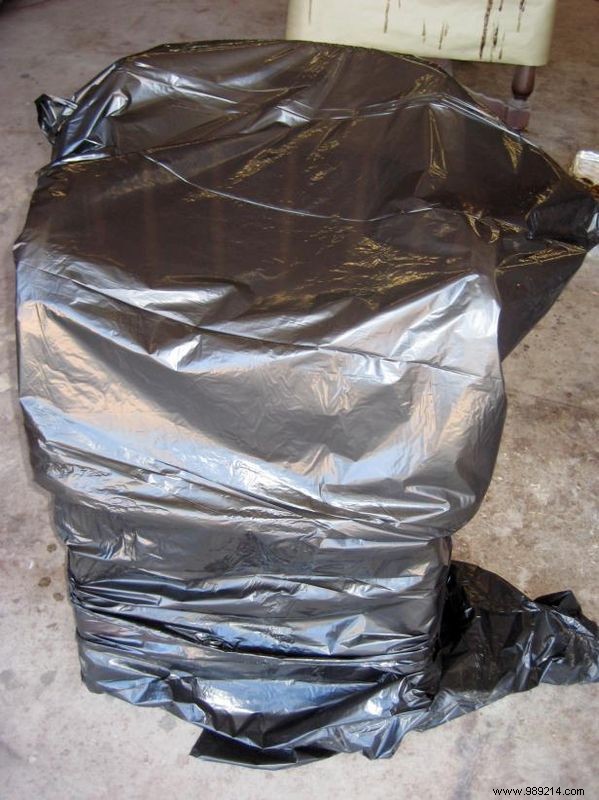
Protect yourself with gloves, a mask, and glasses. Use a chip brush to apply paint stripper to all surfaces, pouring it from an old pot for control. Wait 5-15 minutes until it bubbles, then gently scrape with a putty knife, working with the wood grain to avoid scratches. Remove as much residue as possible.
Pro Tip: Cover the piece with a large garbage bag after applying stripper to trap fumes and boost effectiveness.
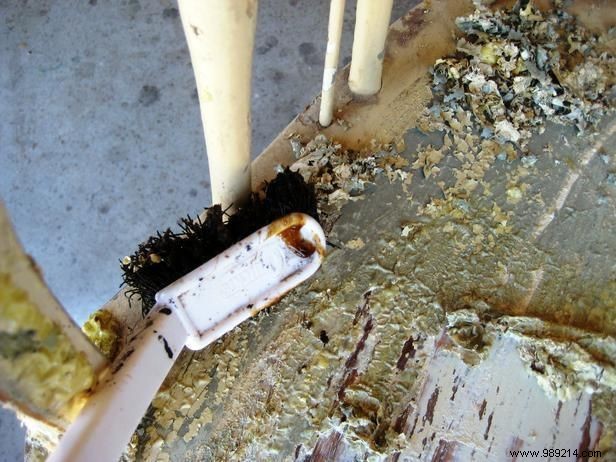
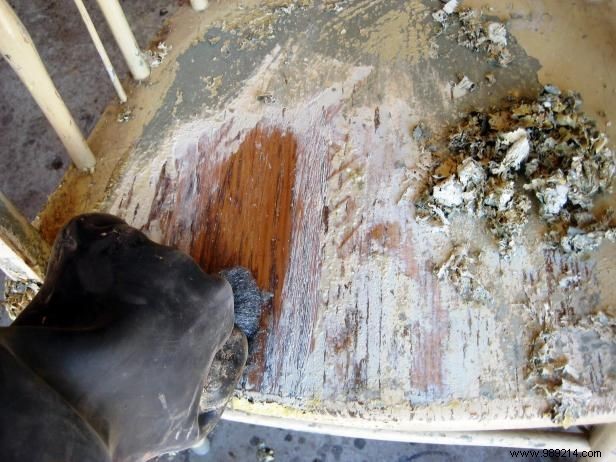
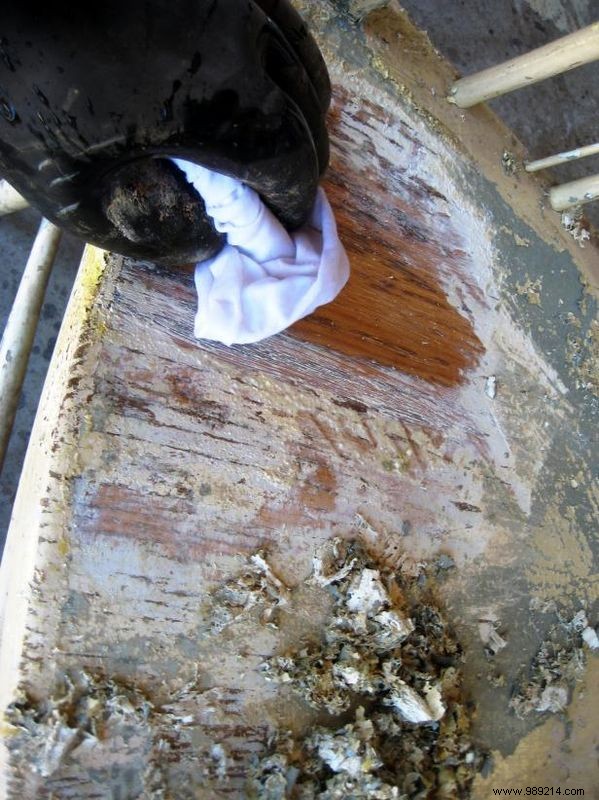
Use a lined paint container to catch waste. We reapplied stripper 4-5 times. While wet, scrub with brass brushes in three sizes: large toothbrush-style, medium, and floor-scrub size. Wipe down with a damp rag or steel wool to neutralize residue and prevent drying on the wood.
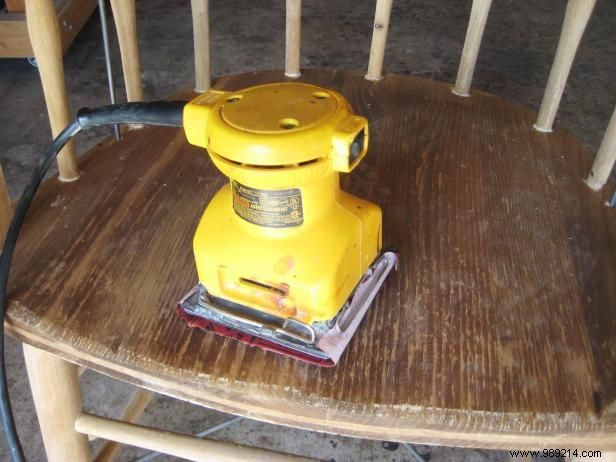
Prep the surface: Use 150-grit paper on a palm sander for accessible areas, hand-sanding tight spots. Always follow the grain. Finish with 220-grit for ultra-smooth results.
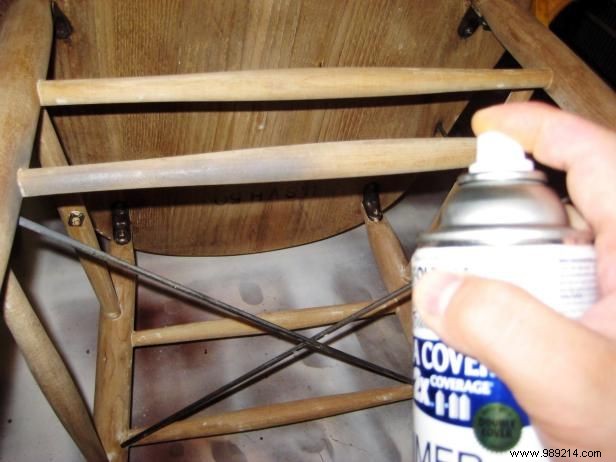
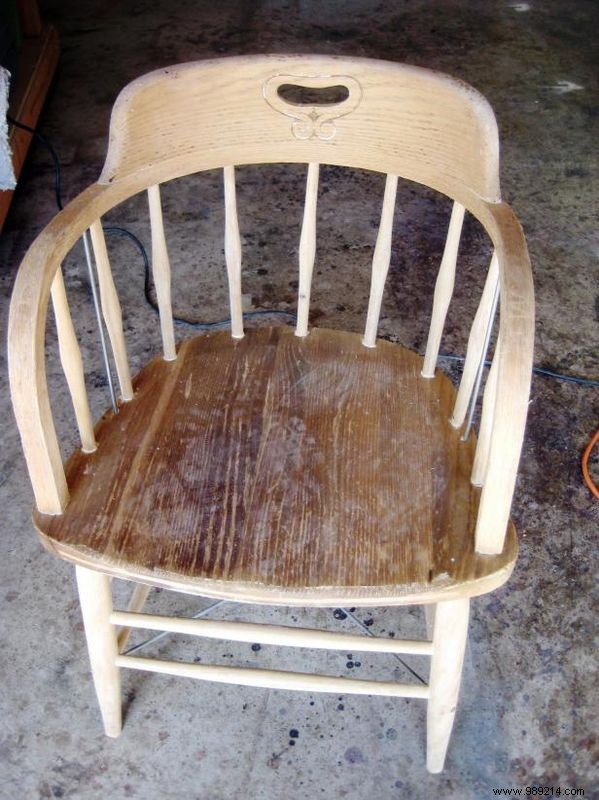
We chose a primer matching our final base color for uniformity. Test shades on scrap wood first to perfect your vision and infuse personal creativity.
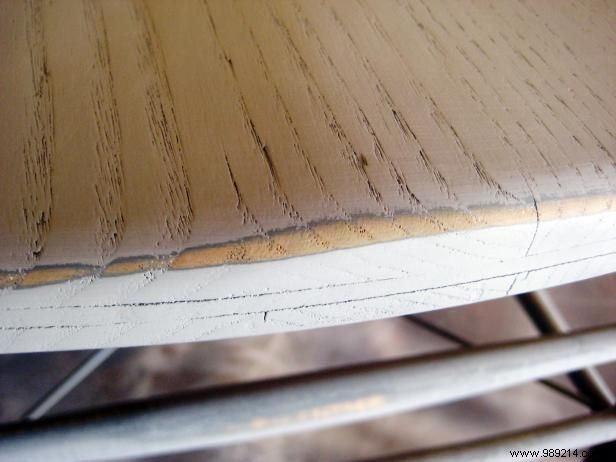
Hand-sand evenly with 220-grit for smoothness. For authentic vintage wear, selectively distress high-touch areas with 150-grit. This customizable step adds character—get creative!
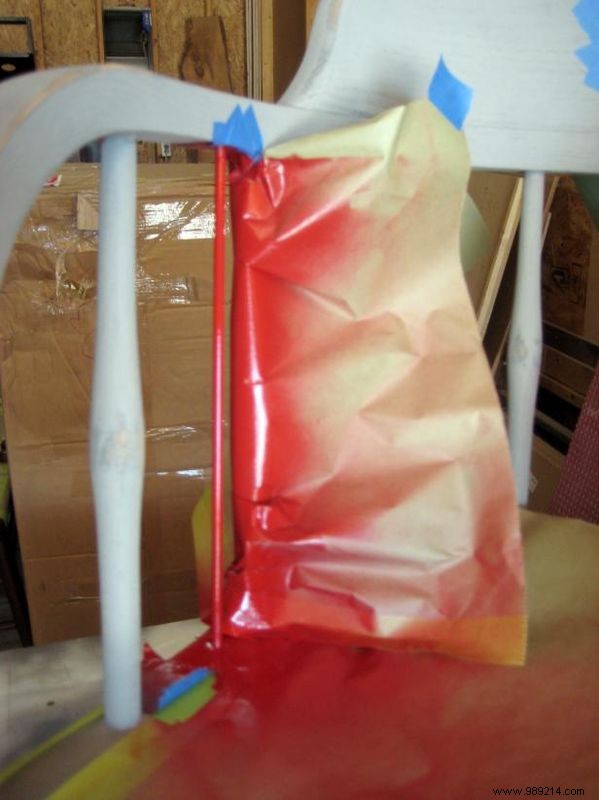
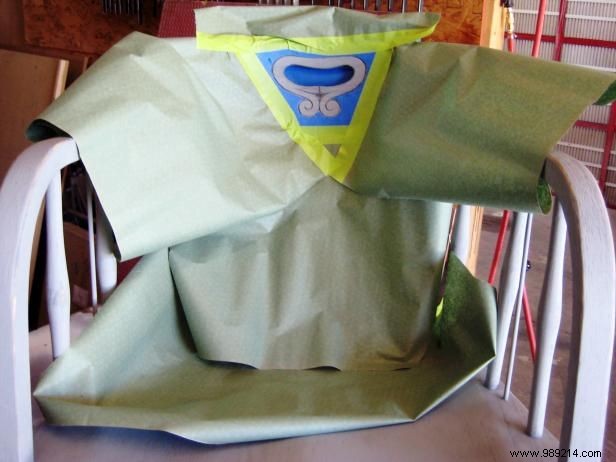
Aiming for mid-century flair, mask off areas meticulously—patience pays off. Spray light, even coats of accent color, allowing overnight drying. Remove tape carefully with a razor blade if needed.
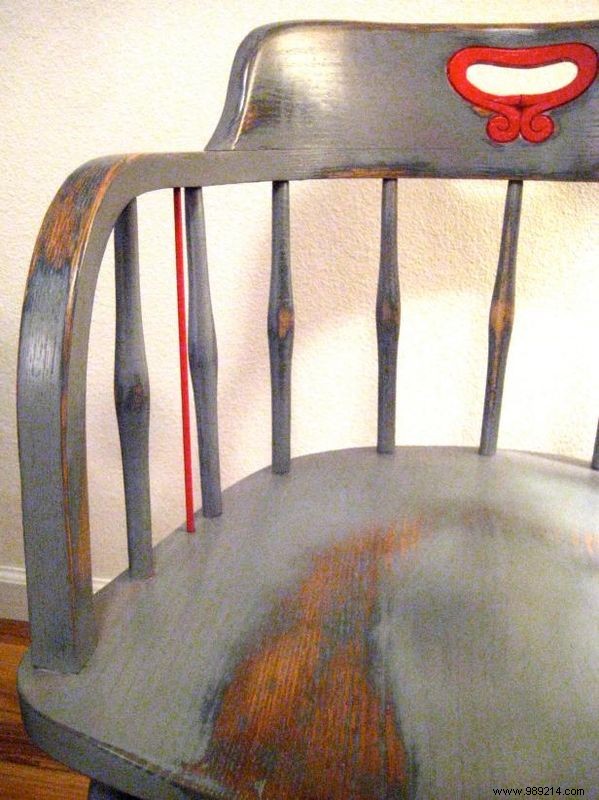
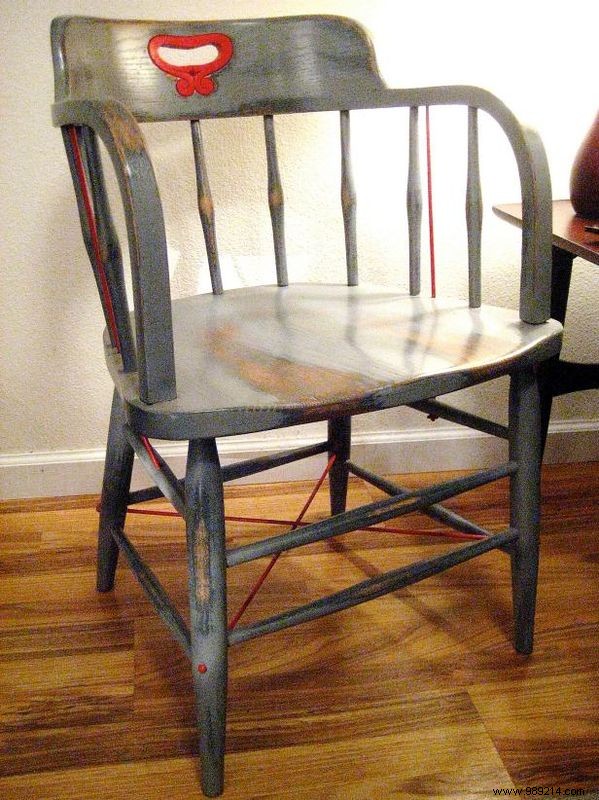
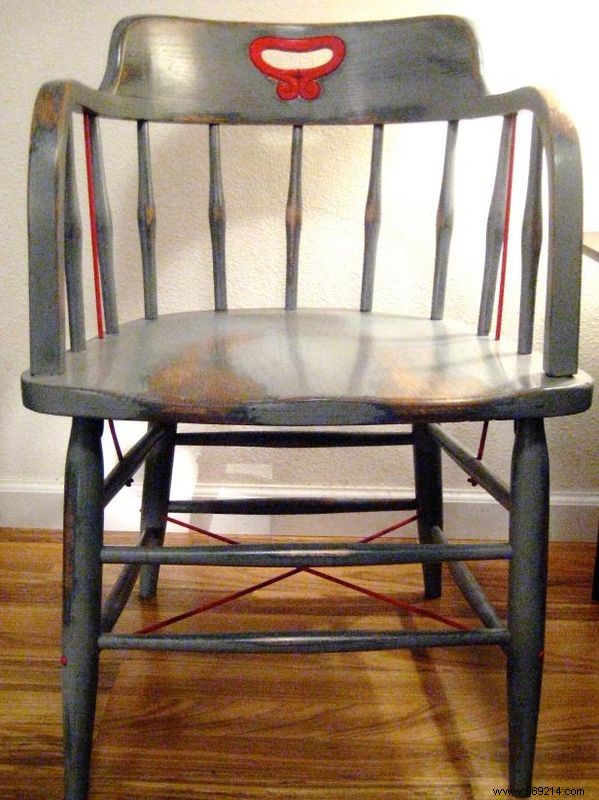
Dust-free? Flip the chair upside down and apply 3-5 light coats of satin lacquer. For minor roughness, use painter's masking paper as fine sanding. These projects take time—savor the process. Your stunning results will earn rave reviews!
