As a dedicated pesto enthusiast with years of experience, I regularly craft classic basil pesto, garlic scape pesto, and cilantro pesto. Just before frost hits, I go on a basil pesto marathon, whipping up over 30 cups to freeze for winter meals and holiday gifts. I even have a pantry box dedicated to 'pesto containers.' For me, pesto isn't just a sauce—it's an art form.
Julie Martens Forney
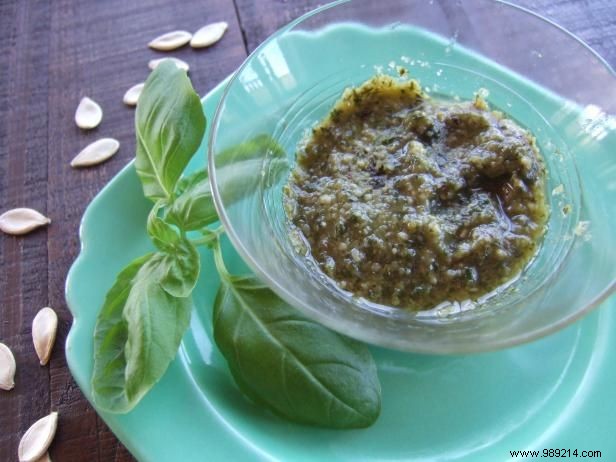
This year, with an abundance of pumpkin seeds from homegrown pumpkins used in holiday pies, I combined basil and pumpkin seeds for a perfect fall harvest pesto. The outcome is incredibly delicious and nut-free, making it ideal for allergy sufferers.
The Ingredients
Julie Martens Forney
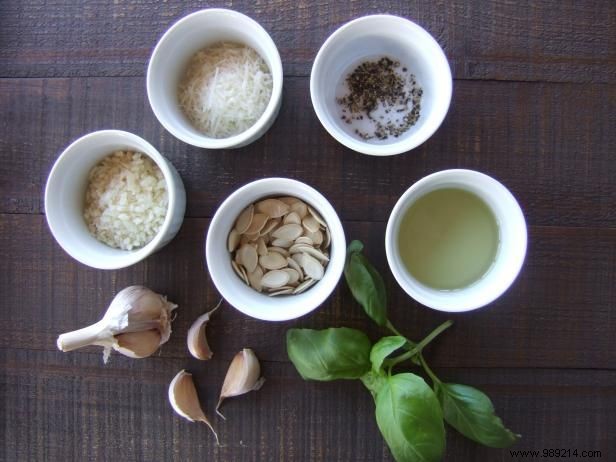
- 1 cup fresh basil leaves, washed and dried
- ½ cup dry roasted pumpkin seeds
- 2-4 garlic cloves, peeled (use 2 large German Hard Extra Garlic cloves, and up to 4 smaller standard red/purple grain red garlic cloves)
- 2 tablespoons grated Romano cheese
- ½ cup grated Parmesan cheese
- Freshly ground pepper (one good grind per batch)
- up to ½ cup extra virgin olive oil
- Optional: 1 very small handful of walnuts (or your favorite nut) to taste
Directions
Julie Martens Forney
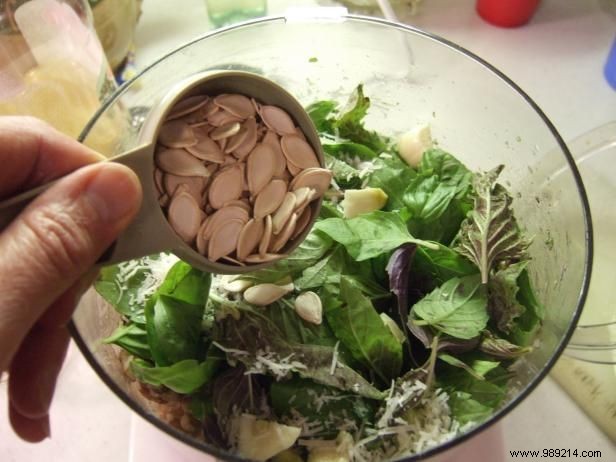
Place basil leaves, pumpkin seeds, garlic, cheeses, and pepper in a food processor fitted with a chopping blade. (Add walnuts if using.) Pulse until chopped and combined. With the processor running, slowly pour in olive oil. Process until well blended. Scrape down the sides of the bowl once or more if ingredients stick.
You can also use a blender: Start with smaller batches, adding more as ingredients reduce.
This recipe yields about 1 cup of pumpkin seed pesto. If you can resist eating it straight from the bowl, toss it with couscous or quinoa, spread on pizza crust, mix into frittatas, or pair with green beans. It shines as bruschetta topping or pasta sauce—enough for a pound of pasta.
Preparation Tips
Julie Martens Forney
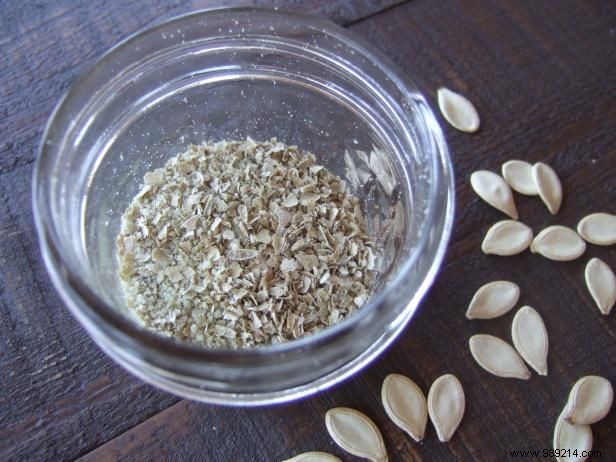
- Pre-grind seeds. My first batch had occasional chunky seed bits, which were off-putting. For better texture, pulse seeds in a coffee grinder on medium until hulls crack—retaining them maximizes nutrition.
- Think beyond pumpkin. Use seeds from any winter squash like acorn, butternut, delicata, spaghetti, turban, or Marina di Chioggia. Larger seeds may need shelling if tough—test by chewing one. Pepitas work too, but fresh seeds from our homegrown squash are my preference.
- Dry roast seeds. Heat in a skillet over medium until they pop, or roast at 200°F for 60 minutes on a parchment-lined sheet in a single layer.
- Any basil works. Pre-flowering basil is traditional for sweetness, but late-season flowered basil adds crispness that pairs beautifully with Romano. Skip if you want milder flavor.
- Cheese choices. Experiment with Parmesan, asiago, Romano, aged gouda, cheddar, or Manchego—use your favorite.
- Salt or no? Cheeses provide enough salt for us; add a pinch before final blend if needed.
- Add oil gradually. Start with ¼ cup EVOO, adding just enough for moisture. Drier pesto freezes better—add oil when thawing for perfect consistency.
- Freeze for winter. Portion into ice cube trays for easy use in sauces and soups; store cubes in double-zipper bags. For gifts or larger servings, use ½-cup containers with tight lids.
