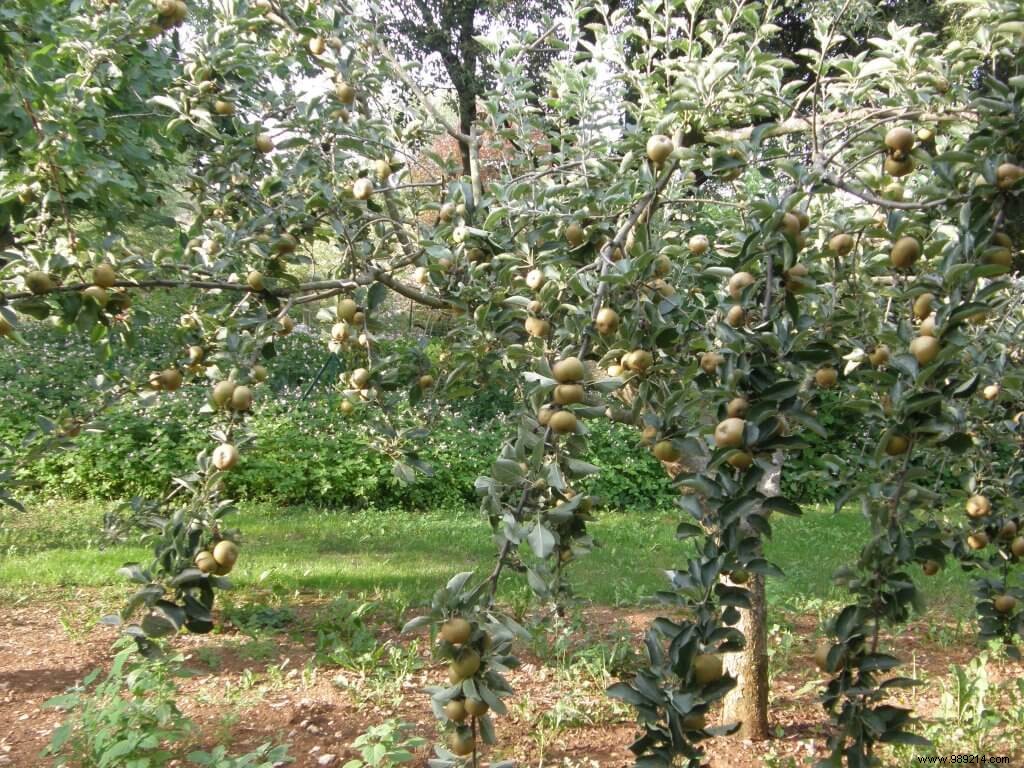
Soil preparation in orchards hinges on key factors like tree varieties, plantation age, irrigation, soil type, climate, and ecosystem. Drawing from extensive experience with orchards like Paul's in the Gard region—featuring clay-limestone soil and no irrigation system, typical of many home setups—I'll focus on tillage and fertilization for optimal results.
Research on bare versus grassy soils consistently shows grassy covers excel, fostering vibrant animal and microbial life with yields matching or surpassing bare soil orchards. Opt for natural grass or sown mixes of grasses and legumes (Fabaceae). Mow regularly to 6-8 cm to minimize tree competition. Options include tilling the full 3-meter row width or superficially under the tree crown to protect roots. I strongly favor grassy soils; any soil inversion, even shallow, disrupts soil biology.
On bare soil, sow green manures in autumn, mowing them in spring. For Paul's orchard with hens, bare ground works well—they'll forage happily after light surface scratching to loosen it.
Tailor to soil type and varieties. In autumn without green manures, apply organic or organo-mineral base fertilizers (low nitrogen, higher phosphoric acid and potash), lightly buried in the top cm. Mature compost is an excellent autumn choice.
Consider RCW (ramial chipped wood) for substantial carbon input—results are impressive. Straw manure under the tree crowns in fall is another effective option.
During tillage, remove mummified fruits from trees and ground—they harbor pathogens. Schedule work for October-November.