As autumn sets in, gardeners face a key decision: what to add to the soil? Fresh or dehydrated manure? Homemade compost? Horticultural soil? Peat? Fertilizers—which type? Let's explore fertilization versus soil amendment.
Your garden is a dynamic ecosystem—a nutrient transfer zone. Harvesting apples, trimming hedges, mowing lawns, or collecting leaves all export essential elements from the soil. Over time, this depletes reserves, so annual replenishment—sometimes multiple times—is essential.
These inputs are raw materials for the soil's factory. But factories need workers, and your soil's workforce thrives only under optimal conditions: balanced moisture, air, and food.
The soil's inhabitants—worms, insects, spiders, crustaceans, larvae, fungi, protozoa, bacteria—form a bustling community. They eat, reproduce, and decompose, but only if conditions are right.
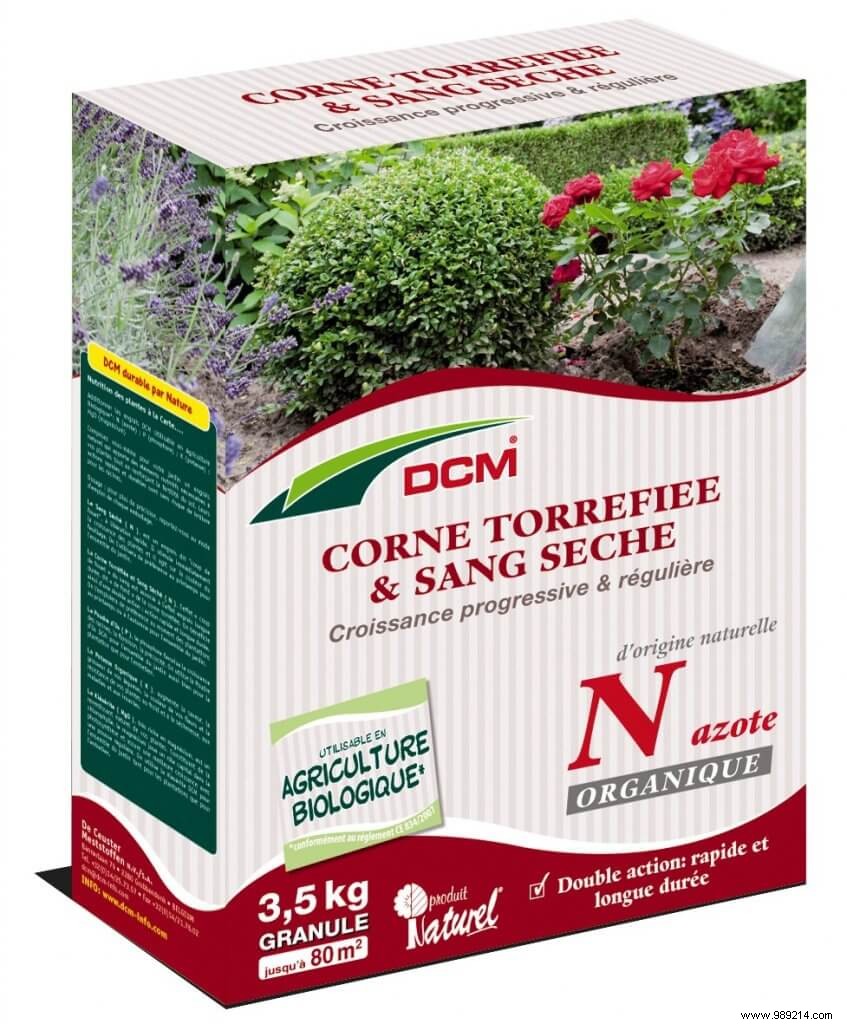
Garden Fertilizers: Roasted Horn and Dry Blood
Amendments address imbalances in soil structure. They adjust proportions of fine particles (clays), medium (silts), coarse (sands), and gravels, creating a habitat where soil life can thrive—eating, drinking, and aerating.
Think of it like making pancake batter: flour, eggs, and milk alone won't do. Success requires precise proportions and thorough mixing. Soil organisms are the versatile mixers, transforming raw inputs into plant-available nutrients.
In essence, fertilization supplies nutrients, while amendments optimize soil texture for life to flourish.
It depends—on your soil type and planned crops. A professional soil analysis provides precise insights, much like interpreting blood tests.
Observe first: sticky, waterlogged soil signals excess clay or silt; dry, fast-draining soil indicates too much sand. For tailored advice, including quantities for fertilization or amendment (or both), consider a lab analysis. I've shared my own vegetable garden soil test experience here.
Emulate nature's wisdom: prioritize organic matter. It's the ultimate dual-purpose input—fertilizer and amendment.
Sources include dead leaves, shredded prunings, straw, manure, compost, feathers, or beet vinasse, plus in-soil remnants like decomposed roots. Soil life converts it into humus-rich, water-retaining structure with air channels.
Organic matter corrects deficiencies, feeds microbes, and builds resilient soil.
Start simple and cost-effective: dead leaves, grass clippings, homemade compost. Add shredded prunings from your garden or recycling centers. Supplement with certified organic fertilizers from trusted garden centers.
