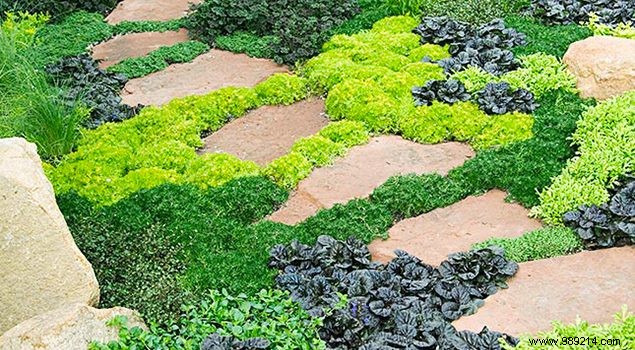
As temperatures fluctuate, maintaining a vibrant green lawn can be challenging. The endless cycle of mowing, watering, aerating, seeding, fertilizing, applying herbicides, and pesticides is time-consuming and costly. As experienced gardeners know, the solution lies in resilient ground cover plants that deliver year-round beauty with far less effort.
Short on time or energy for lawn care? Ground covers are ideal for enhancing cool, shaded areas, including hard-to-reach spots under trees.
• Roman chamomile creates a lush, mowable, fragrant green carpet. Hardy and trampling-resistant, it thrives in sun or partial shade.
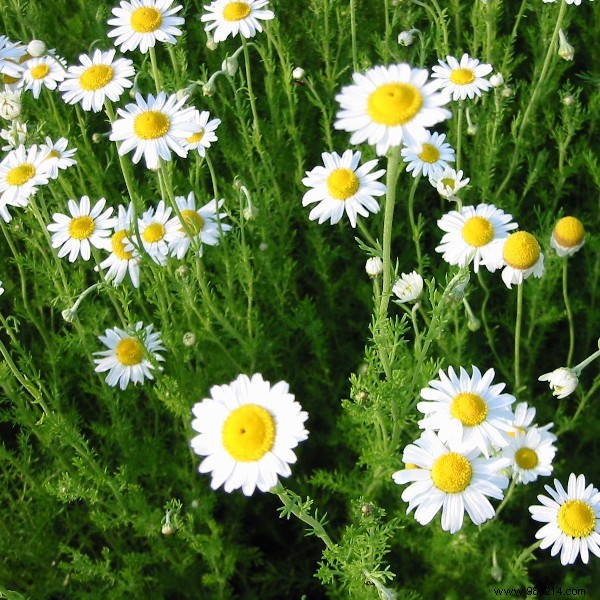
Roman Chamomile
• Creeping Dichondra blooms from May to June, blanketing the ground—even under trees—with semi-evergreen, elegant fresh green, round leaves.
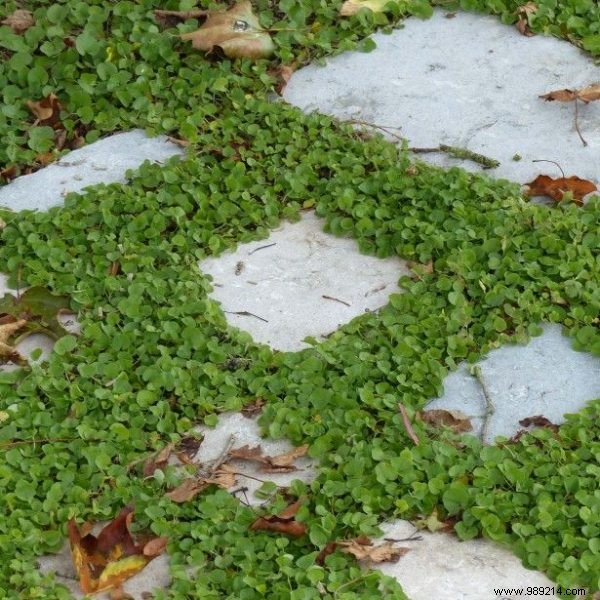
Creeping Dichondra
• Pratia pedunculata, a low-growing perennial, features star-shaped light blue flowers. It spreads quickly to form a broad, trampling-resistant carpet suited to all soils and exposures.
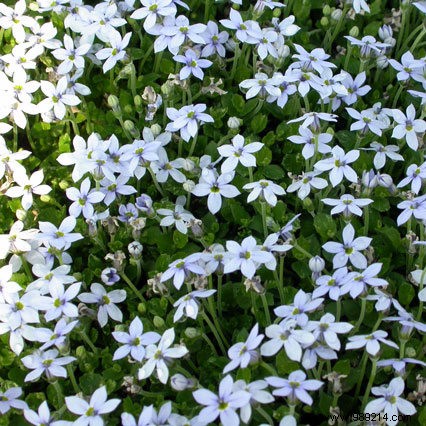
Pratia Pedunculata
• Helxine (Helxine soleirolii) boasts small, shiny, light green rounded leaves, perfect for rich, cool soils and tree understories.
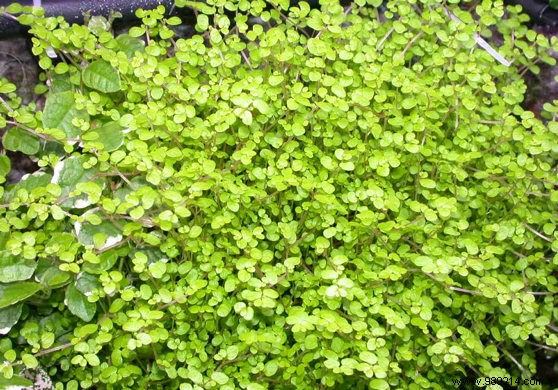
Helxine
Traditional grass struggles on dry, rocky soil and fades in summer heat, demanding expensive irrigation. These sun-loving plants excel in such conditions.
• Woolly thyme grows to 10 cm, blooming pink in June-July. Its woolly leaves form a striking gray-green carpet on well-drained soil; it tolerates light foot traffic.
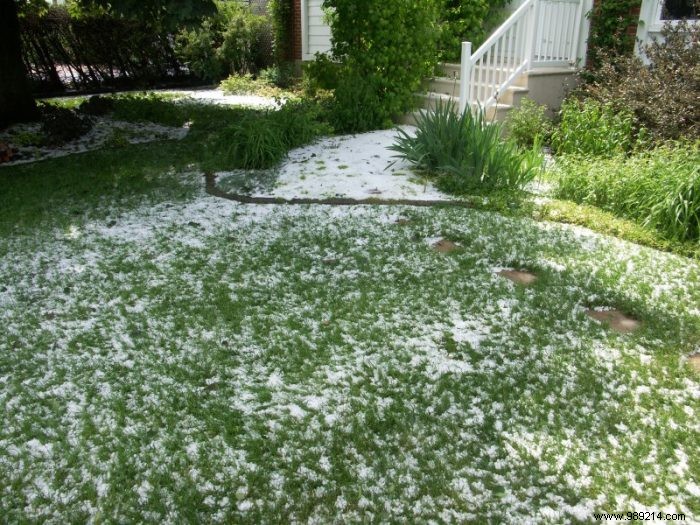
Woolly Thyme
• Mascarene grass offers dense, bright green coverage but yellows below -4°C.

Mascarene Grass
• Fragrant yarrow forms a dense, evergreen carpet with aromatic blue-green foliage and off-white summer blooms. Drought- and poor soil-tolerant, it handles moderate traffic; mow post-bloom.
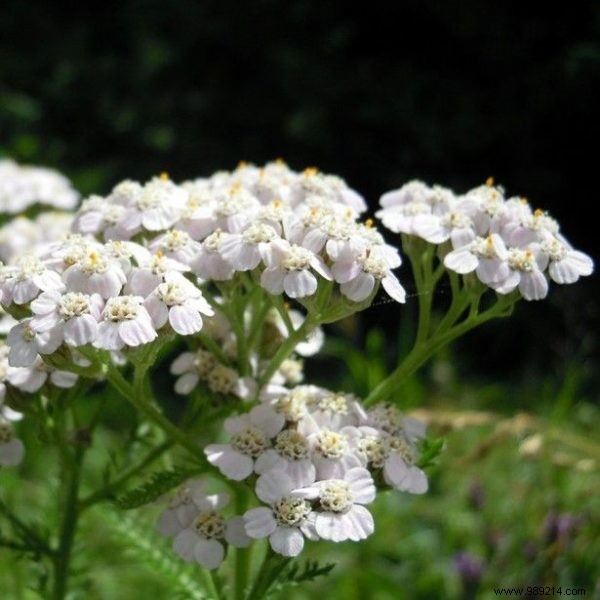
Fragrant Yarrow
• Achillea crithmifolia, its tougher relative, provides finely cut foliage for soft green carpets dotted with white flowers.
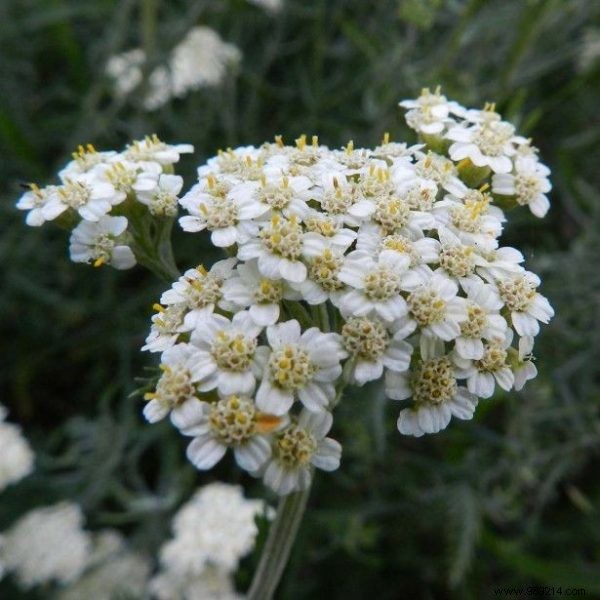
Achillea Crithmifolia
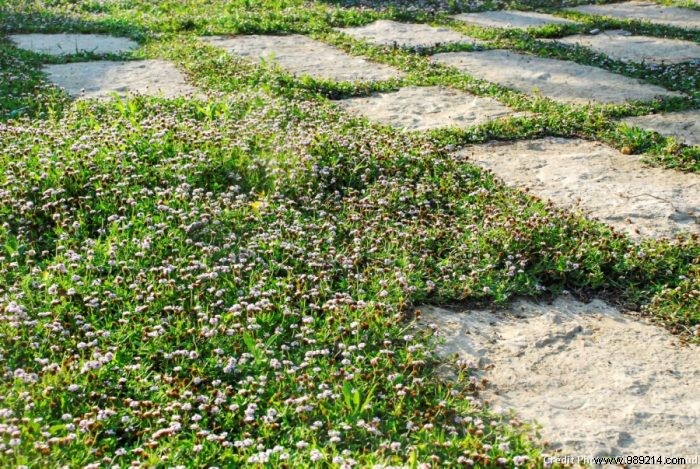
Ground Cover Garden
Prepare by loosening soil 30-40 cm deep, breaking clods with a spade, weeding, and raking to a fine tilth.
Plant at 20-40 cm spacing per species—avoid gaps or overcrowding to prevent holes or competition.
Hand-weed regularly for the first three months to suppress weeds and allow establishment; skip chemicals.
Water sparingly, especially the first summer, as most tolerate heat and drought once rooted.
