
Dylan Eastman
Adam Cohen
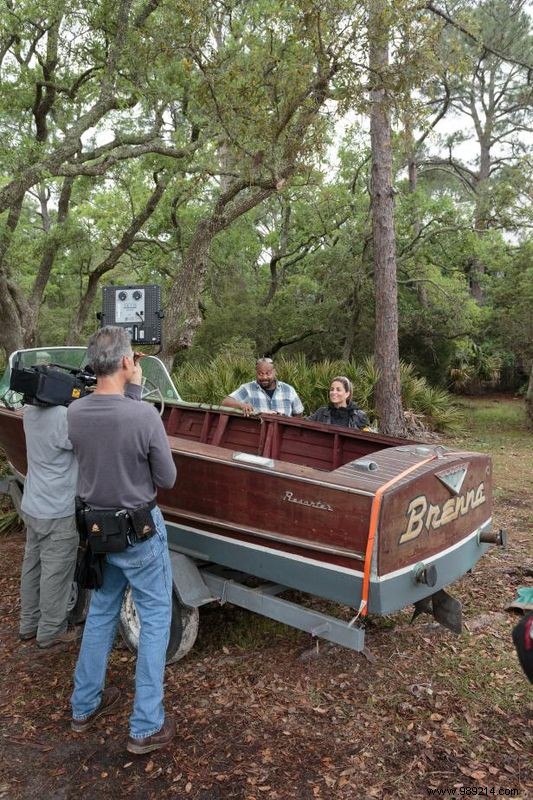
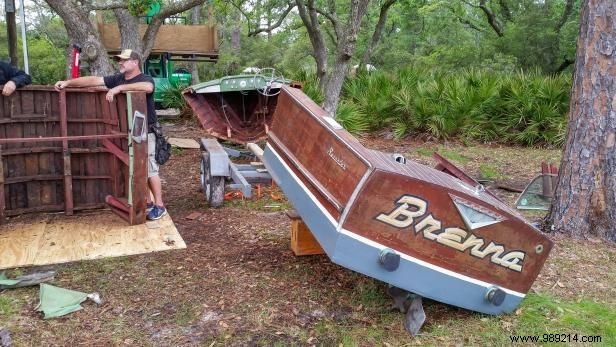
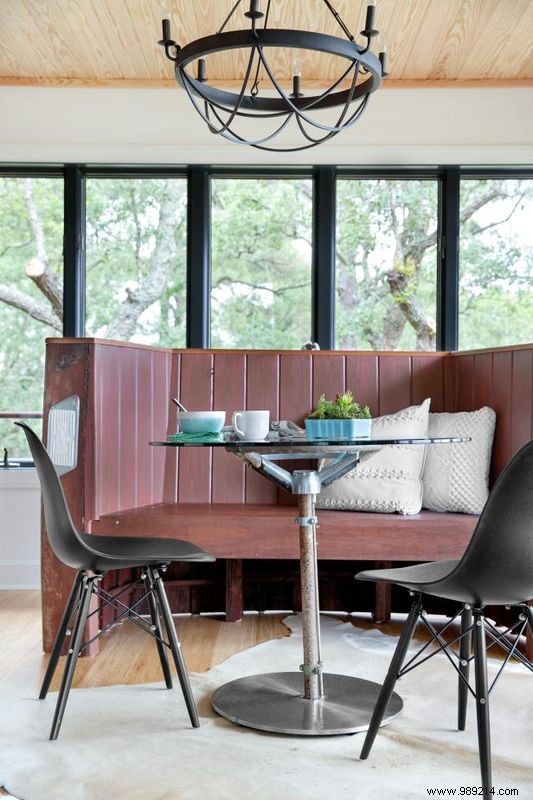
For our breakfast nook in Blog Cabin 2016—set in a fisherman's paradise—we reimagined banquette seating using a recycled wooden boat. Each vessel has unique lines: sailboats are sleek and narrow, while workboats are wide and deep. After months of searching online, we sourced a 1960s mahogany runabout from Gainesville, Florida. Despite its age, the durable mahogany made it ideal for reuse.
While repurposing a boat might feel unconventional, we selected one that was well-worn, engine-damaged, and full of character—perfect for multiple home projects.
Adam Cohen
Adam Cohen
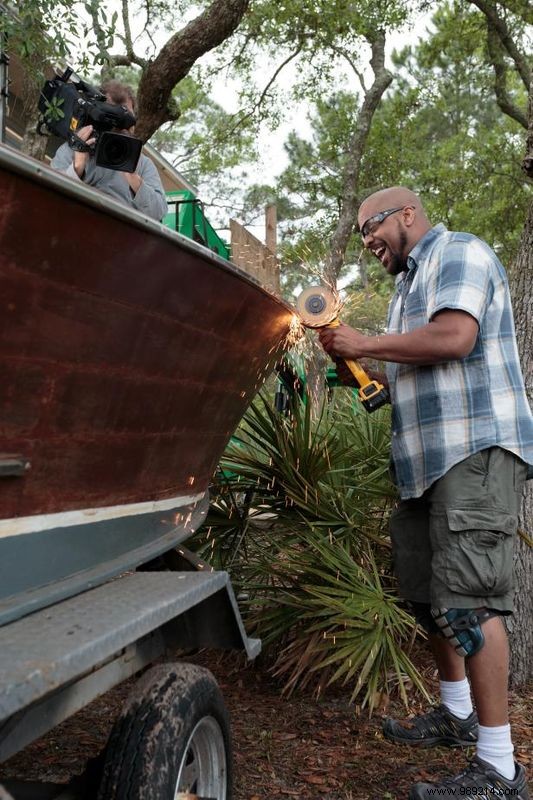
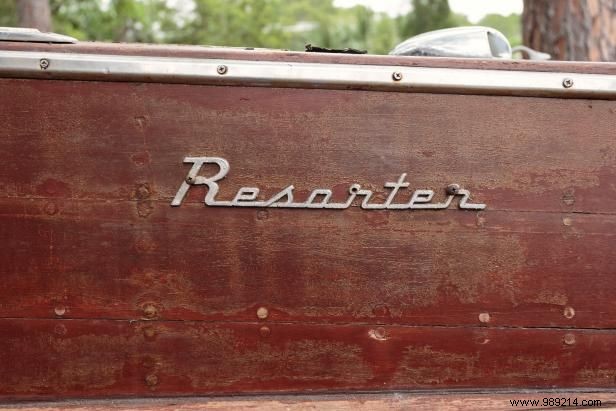
The midships section suited our room's dimensions perfectly. Begin by detaching all metal hardware and trim from the cut areas, setting them aside for reinstallation. Also remove badges and logos for later use.
Adam Cohen
Adam Cohen
Adam Cohen
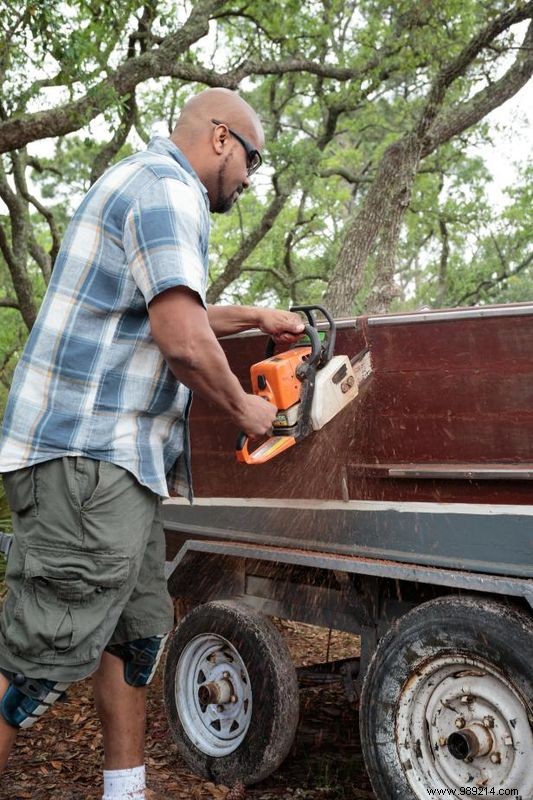
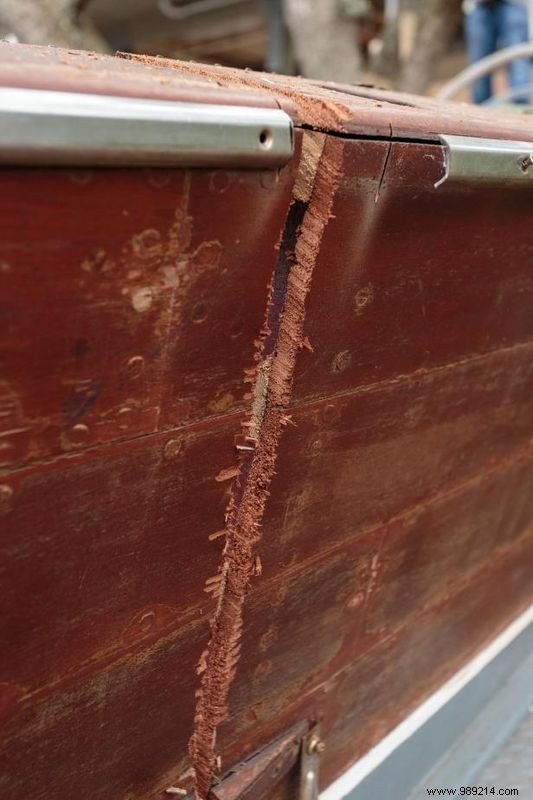
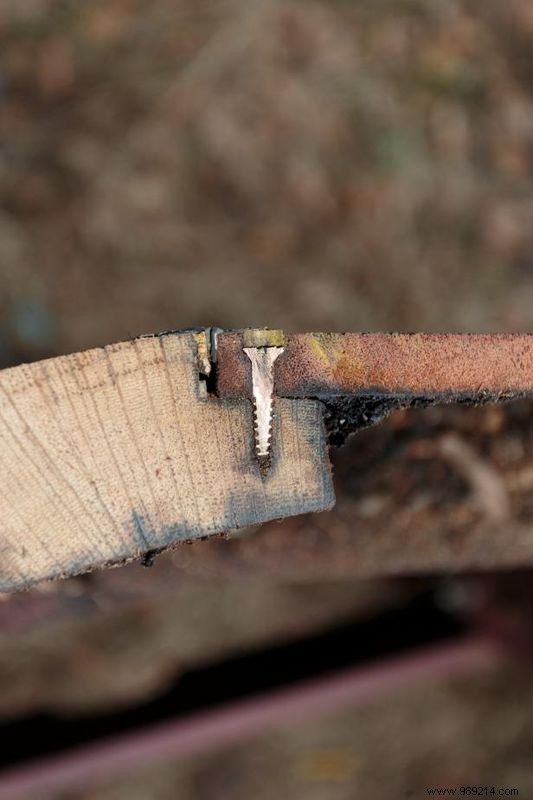
Using a chainsaw, cut along chalked lines with steady, even strokes. Refine edges later with a circular saw if needed. Watch for hidden brass screws beneath wooden plugs, common in wooden boats.
Johnny Stevens
Dylan Eastman
Dylan Eastman
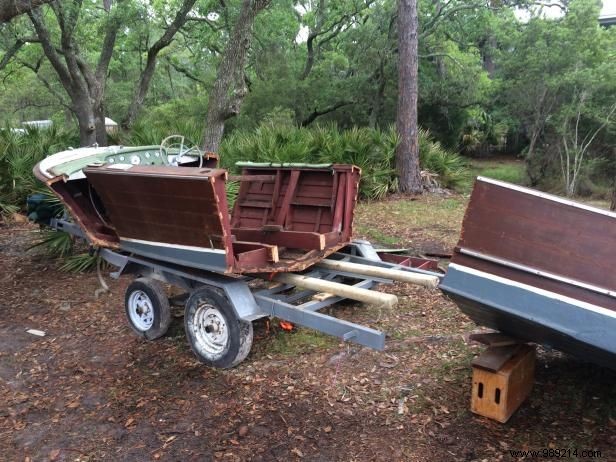
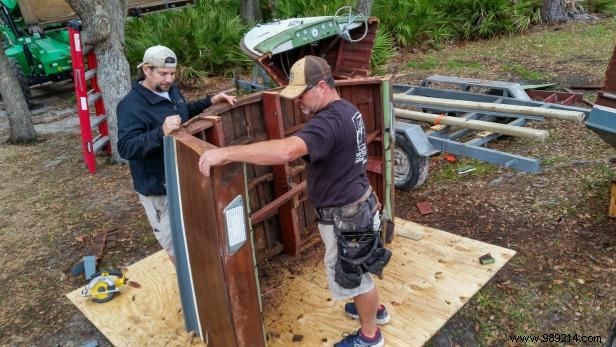
If flipping the boat is impractical, support it on blocks for bottom cuts. We kept ours on its trailer for ease. Lift the section and clear all debris. Leftover parts fueled other builds: coffee tables, breakfast tables, porch benches, and a kids' play area.
Dylan Eastman
Dylan Eastman
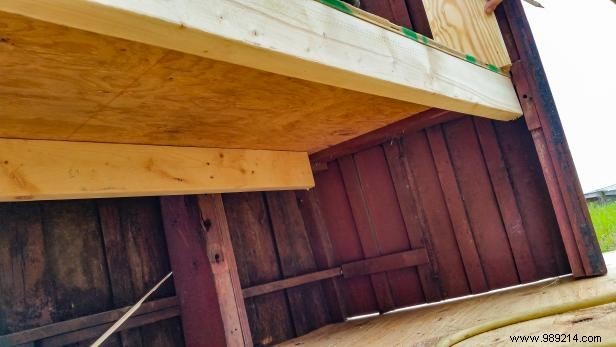
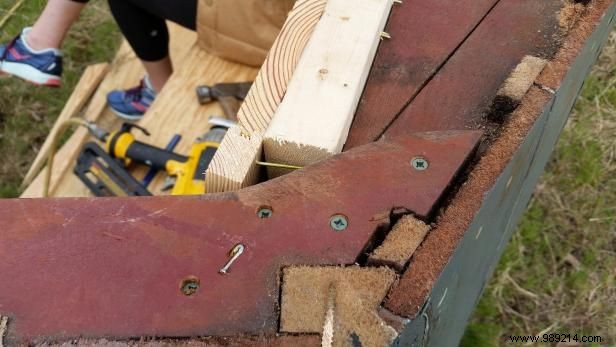
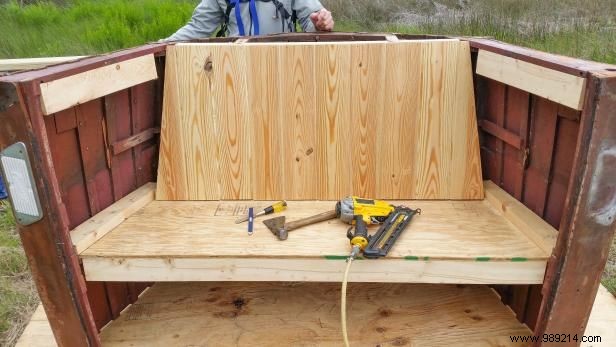
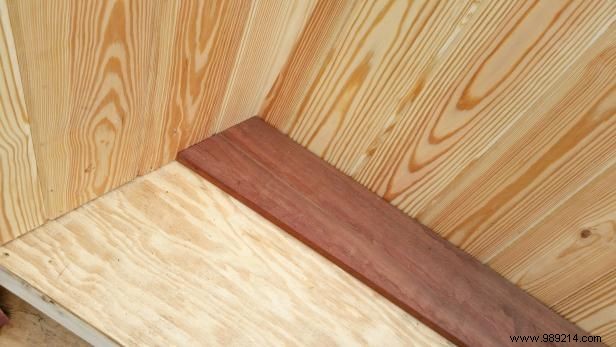
Install two 16-inch 2x4s above the hull bottom using wood screws. This forms the seat base, unites the sides, and reinforces the structure. Top with 3/4-inch plywood secured by screws. Add screws into corners to stabilize ribs, as hull integrity may be compromised.

Dylan Eastman
Dylan Eastman
Dylan Eastman
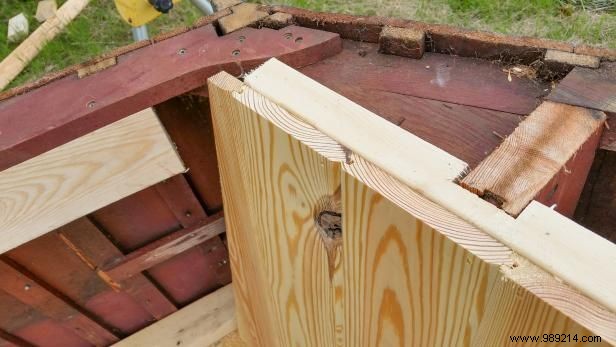
We used leftover V-groove soffit panels for the backrest. Cut to span from seat top to hull top. Add a horizontal wood block at a slight angle for comfort, then secure panels with 15-gauge finishing nails.
Dylan Eastman
Dylan Eastman
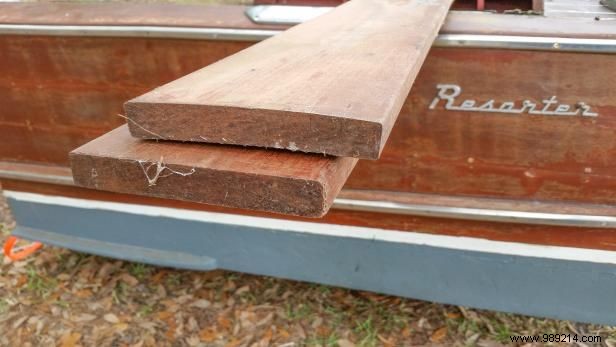
Matching the mahogany hull, we chose ipe from Blog Cabin 2014 for the seat. Cut to size and fasten with stainless steel screws—pre-drill holes for dense tropical hardwoods like ipe.
Dylan Eastman
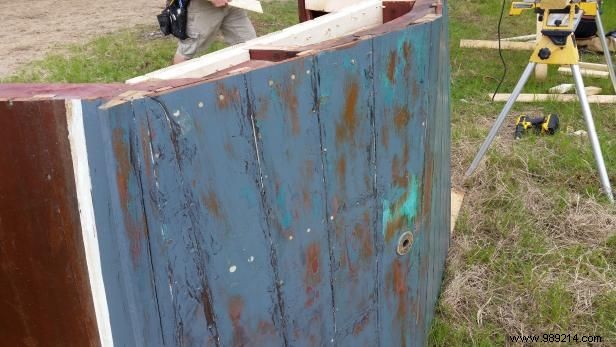
Lightly sand the hull's painted bottom, then apply mixed paint colors for a patina that complements the kitchen.
Photos: Christopher Shane / Styling: Elizabeth Demos
Photos: Christopher Shane / Styling: Elizabeth Demos
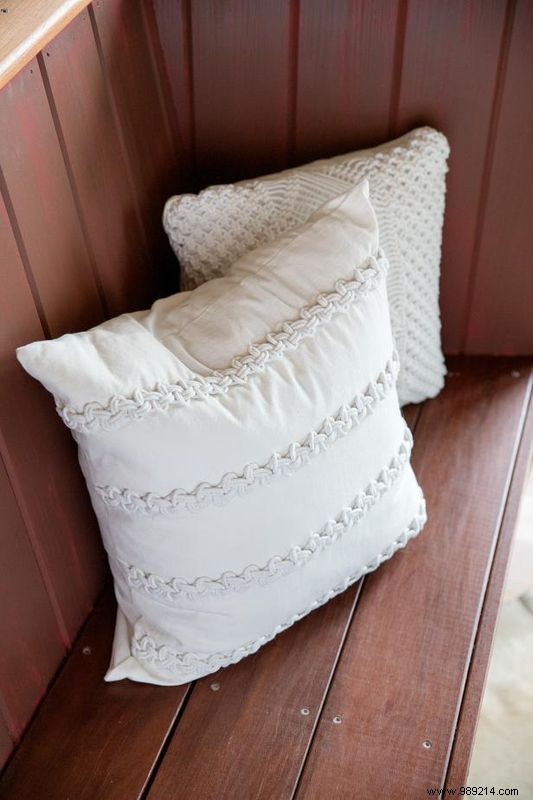
Neutral pillows with varied embellishments enhance comfort in the breakfast nook banquette.
Photos: Christopher Shane / Styling: Elizabeth Demos
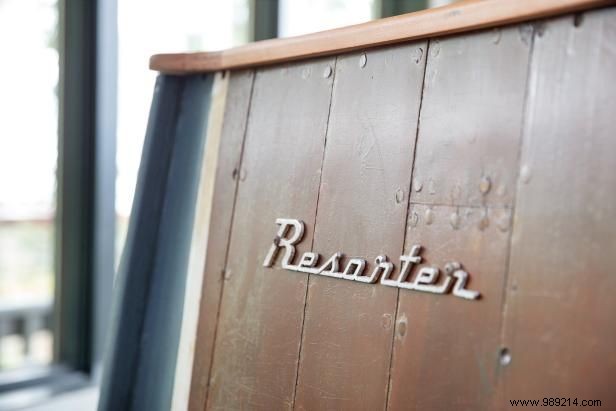
Cap the top with routed-edge ipe or cedar. Reattach original trim and badge—we positioned the Springer logo horizontally on the side and added a scoop to the cap. Paint back panels, oil the ipe, and seal surfaces with polyurethane. This upcycled hull perfectly suits Blog Cabin 2016's style, honoring local fishing heritage while creating unique furniture.
