By Debbie Wolfe, experienced DIY crafter
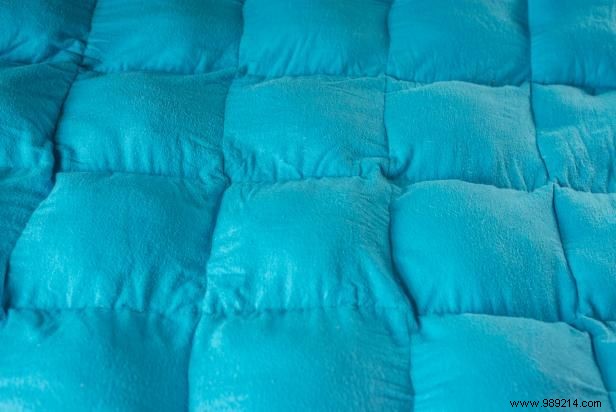
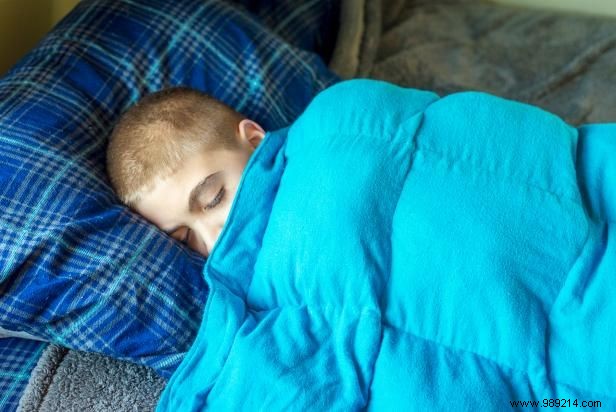
Weighted blankets provide deep pressure stimulation to touch receptors across the body, helping to ease stress, anxiety, and insomnia. This soothing "deep pressure touch" promotes relaxation, much like a firm hug, fostering feelings of safety and security. As a seasoned crafter, I've made dozens of these blankets—crafting your own is straightforward, cost-effective, and rewarding, though it requires time and basic sewing skills.
Debbie Wolfe
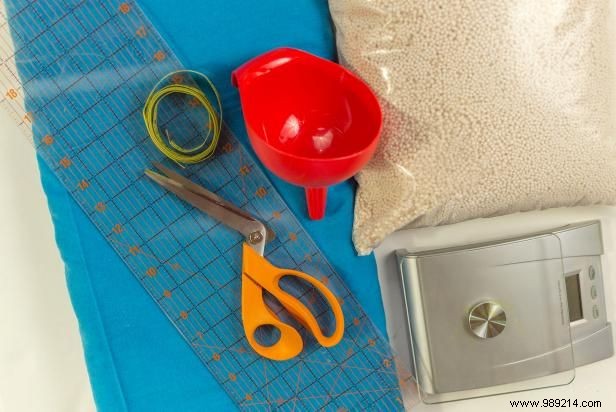
Opt for medium-weight fabric like flannel. You'll need at least 2.5 yards for the top and 2.5 yards for the bottom, yielding a twin-size blanket (using 44-45 inch wide fabric). Source the same plastic pellets used for weighting dolls to ensure safety and even distribution.
Always pre-wash and dry your fabric before beginning to prevent shrinkage.
Debbie Wolfe
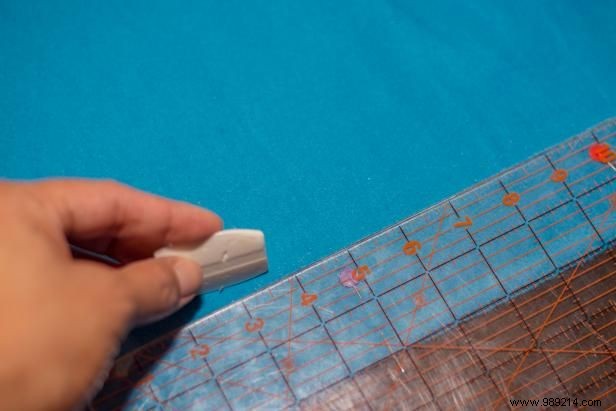
This project is fully customizable. Measure and cut two fabric pieces for the top and bottom. Place them right sides together. Mark 2 inches in from both long sides and one short side, leaving the opposite short side open for filling. Use tailor's chalk and pins to guide your sewing.
Debbie Wolfe
Debbie Wolfe
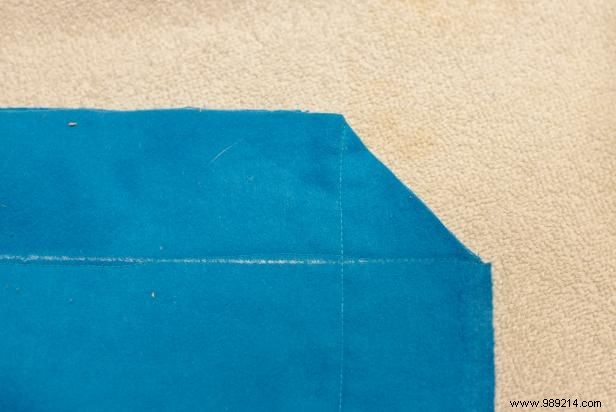
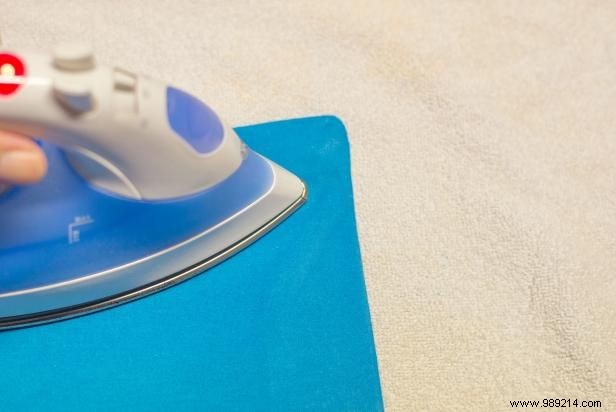
After sewing the three sides, trim the bottom corners. Turn the fabric right side out and press the seams with an iron. Topstitch around the three sewn sides for a clean finish.
Debbie Wolfe
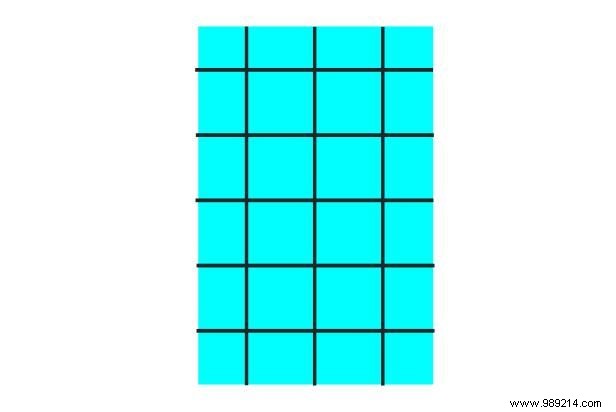
On the open area, mark a grid with tailor's chalk or a fabric pen. Sew only the vertical lines (from bottom to top) to create columns.
Debbie Wolfe
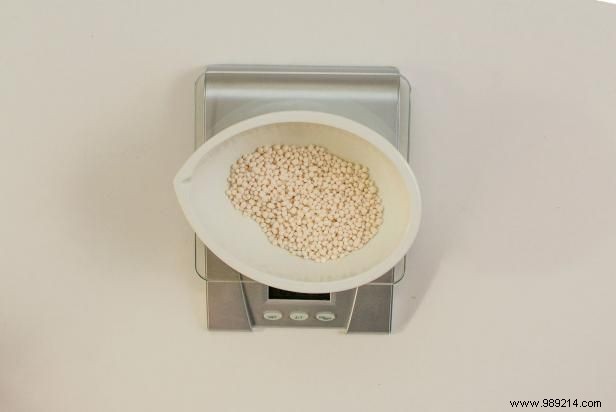
For the bottom row pockets, calculate pellets per pocket using this formula: desired total weight in ounces divided by number of squares. Tare a scale with a cup or bowl before adding pellets.
Remember, 16 US oz. = 1 pound.
Debbie Wolfe
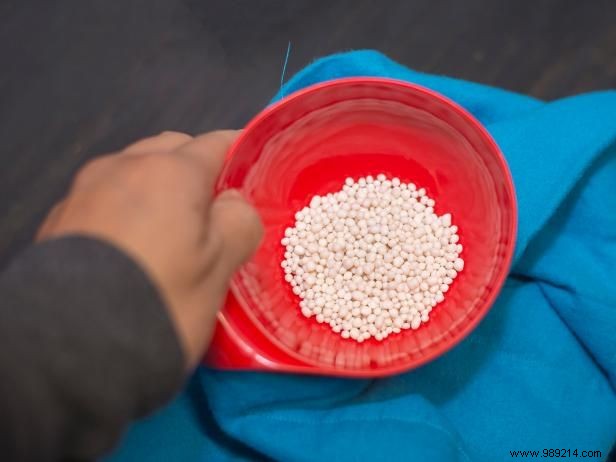
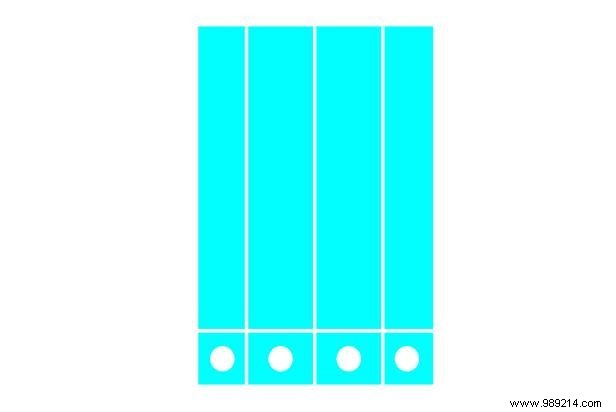
Fill each bottom column pocket with the precise pellet portion. Add a handful of polyfill per square for extra loft, if desired.
Debbie Wolfe
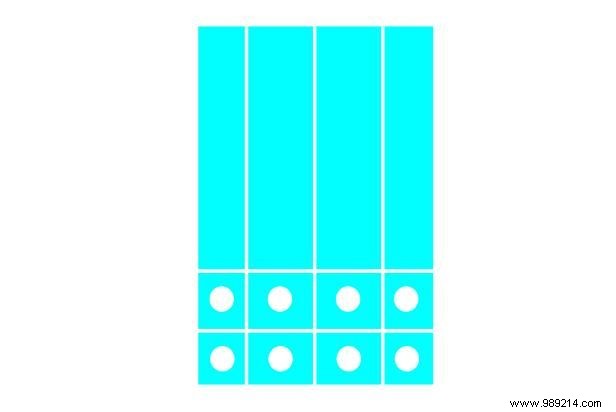
After filling the first row, sew along the marked horizontal grid line to seal it securely.
Debbie Wolfe
Continue filling with pellets and polyfill, row by row, sewing each horizontal line as you go. For the top row, fold in the remaining fabric edge and sew it closed to secure everything.
Debbie Wolfe
Pellets are machine-washable, but use a front-loading machine without an agitator. For easier cleaning, encase the blanket in a duvet cover.
