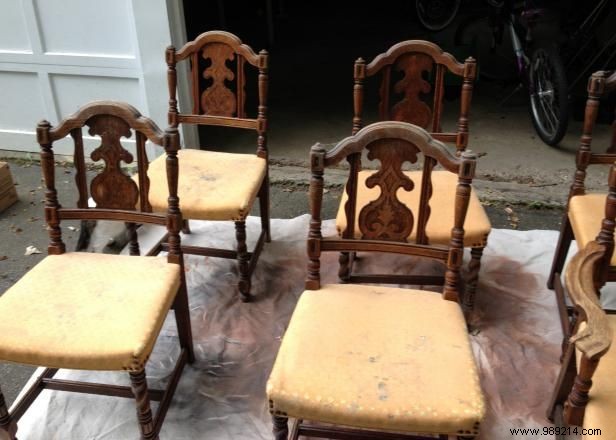
Before
As a seasoned furniture restorer with years of hands-on experience reviving vintage pieces, this proven method delivers professional results using accessible tools and materials.
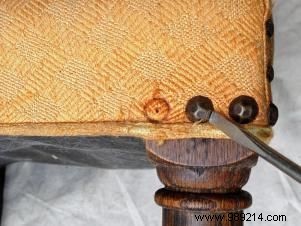
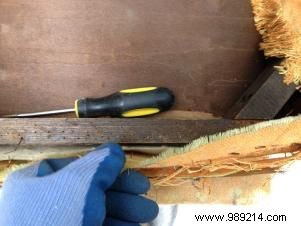
Use a flat-head screwdriver and pliers to carefully remove the upholstery tacks and staples from the underside. Save the old fabric and cushioning as templates. If seats vary, label the bottom of each seat and its fabric.
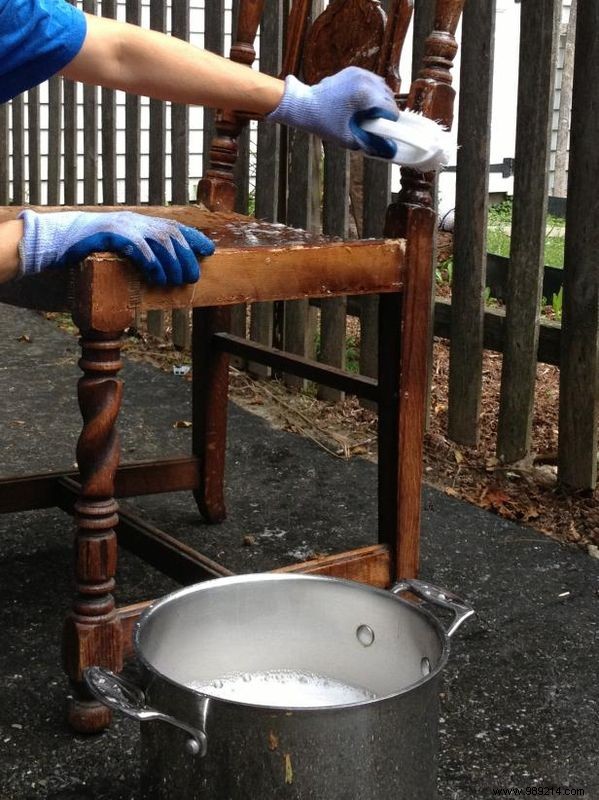
Once fabric is removed, wipe down the frames thoroughly to eliminate dirt and grease buildup.
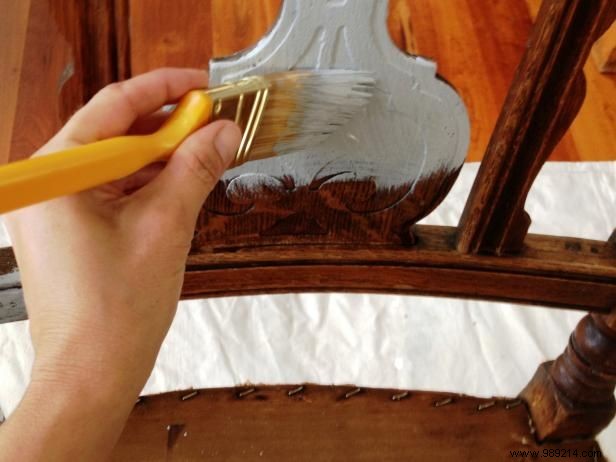
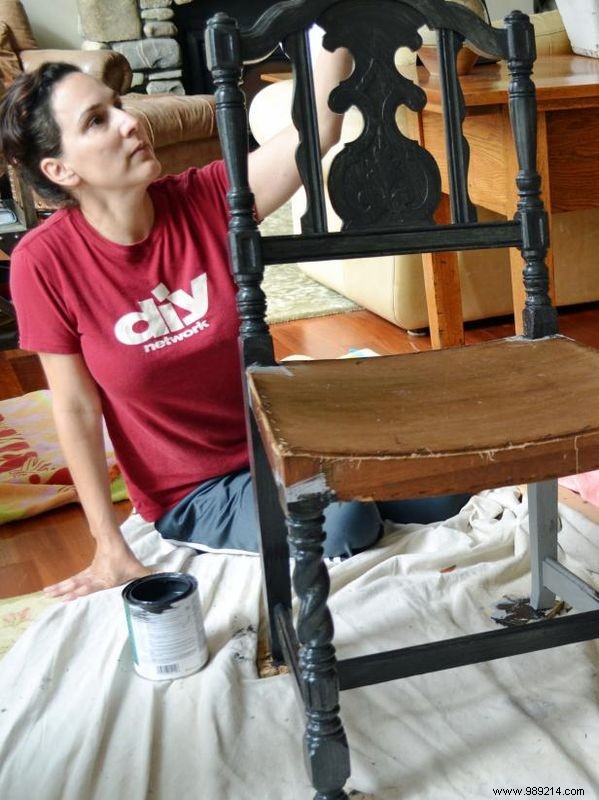
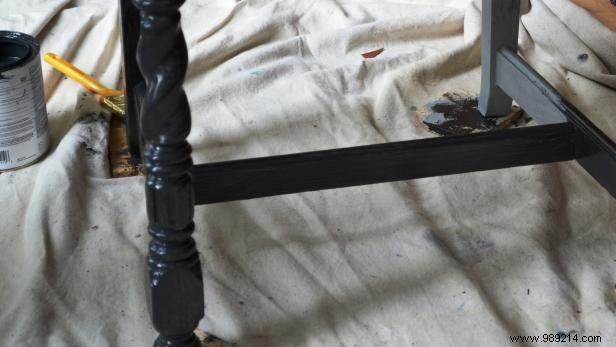
After fully drying, apply primer across the entire surface for optimal paint adhesion. Once dry, add the first coat of paint (we used Mophead Black, Benjamin Moore). Let dry completely before applying a second coat.
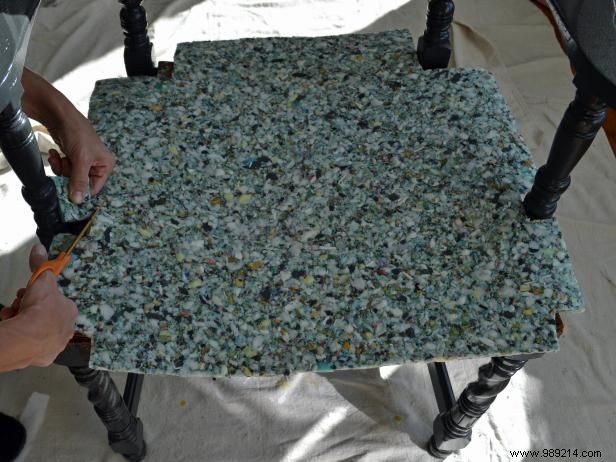
Use old fabric as a guide to cut rug padding for the seat. Lay it on and trim missed details. Ensure overhang over edges; trim excess later.
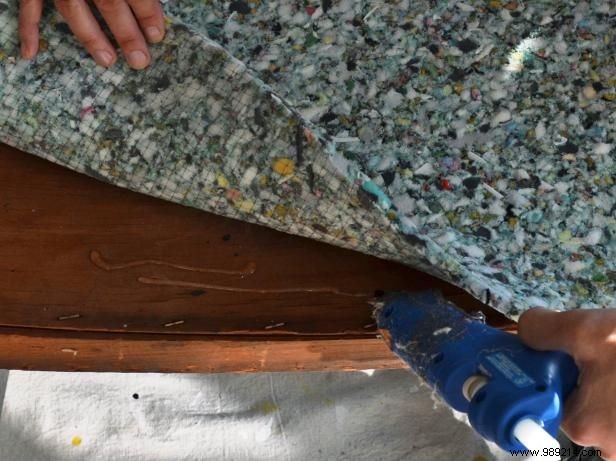
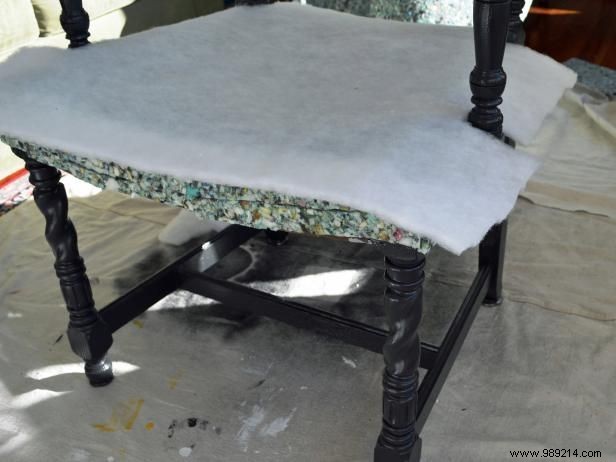
Secure padding to seat and sides with a hot glue gun; hold until set. For extra cushion, add second rug padding layer. Cut oversized quilted batting, layer on top, and glue in place.
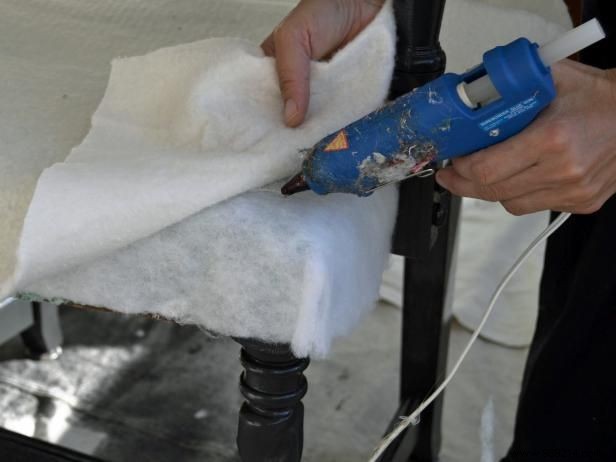
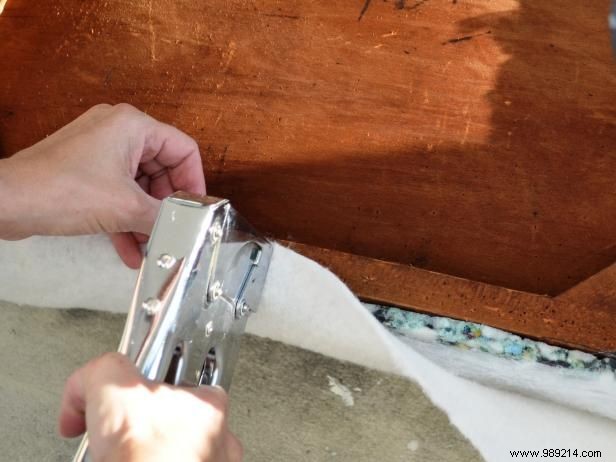
Cut cotton batting to overhang seat bottom. Glue over quilted batting on top and sides. After drying (a few minutes), flip and staple excess to underside.
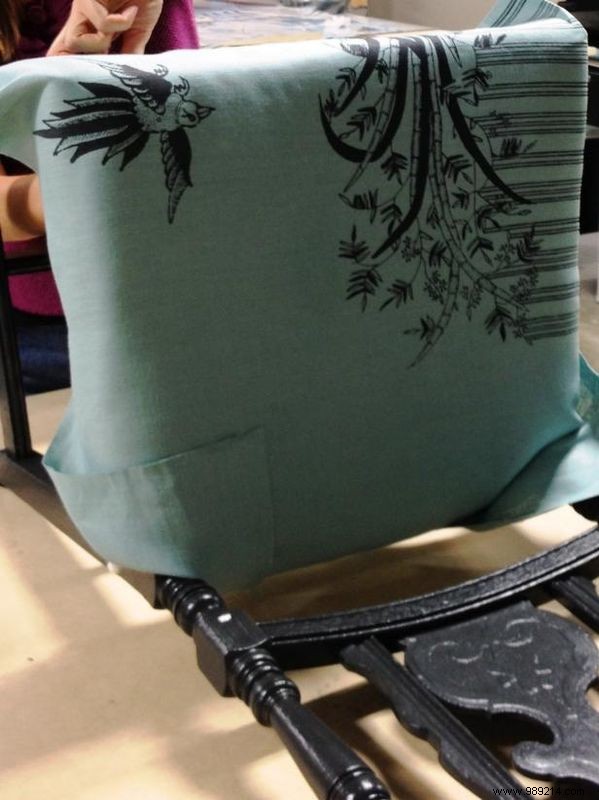
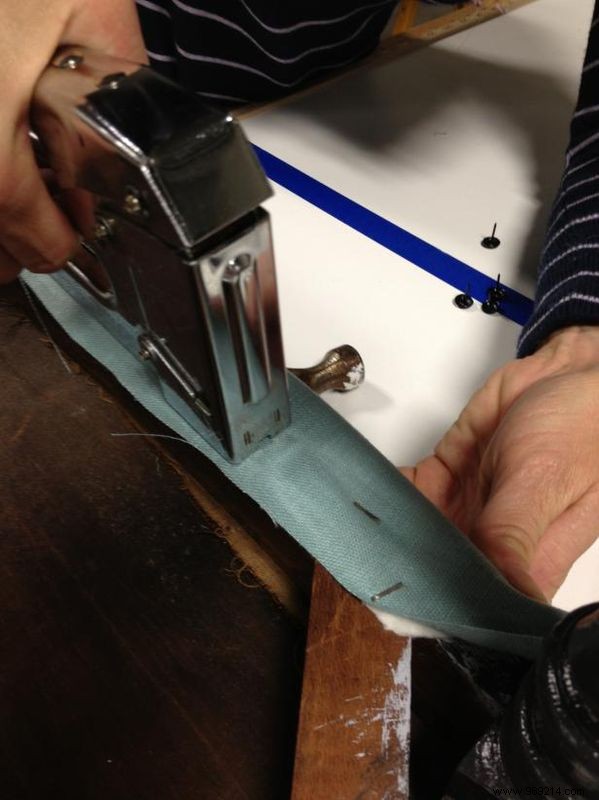
Cut new fabric using old as template. Center smoothly on seat; pin if needed. Staple center of each side first. Flip, pull taut, staple to corners; hammer as required.
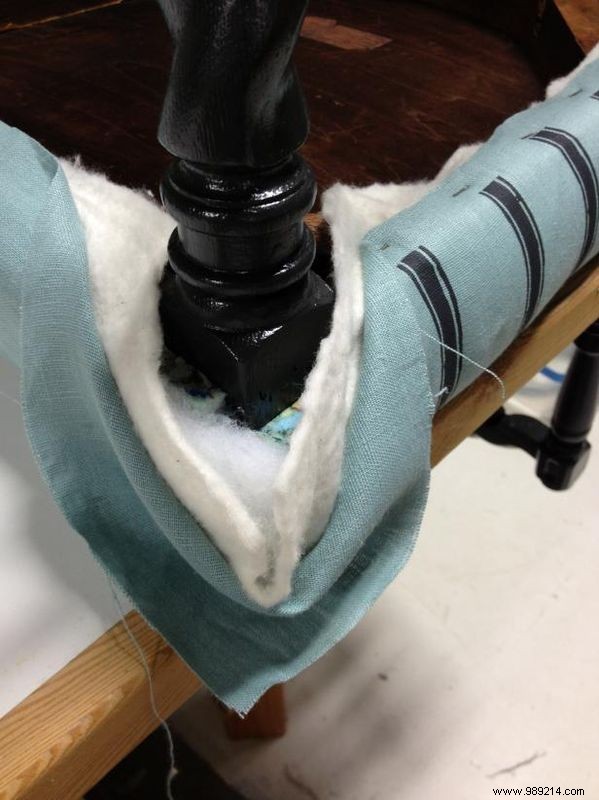
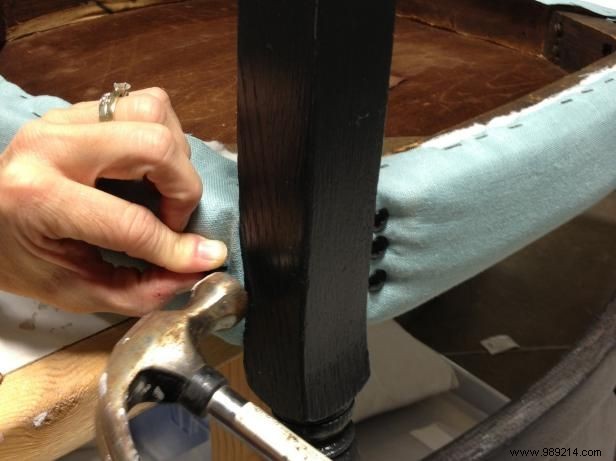
Leave fabric for folding at corners and legs; trim batting for clean folds. Secure with upholstery tacks—three per leg side.
