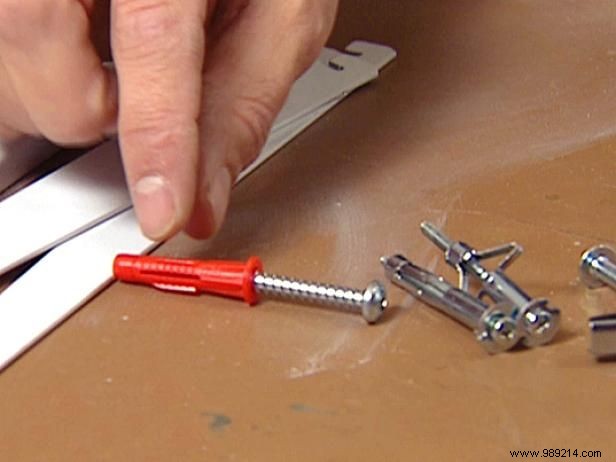
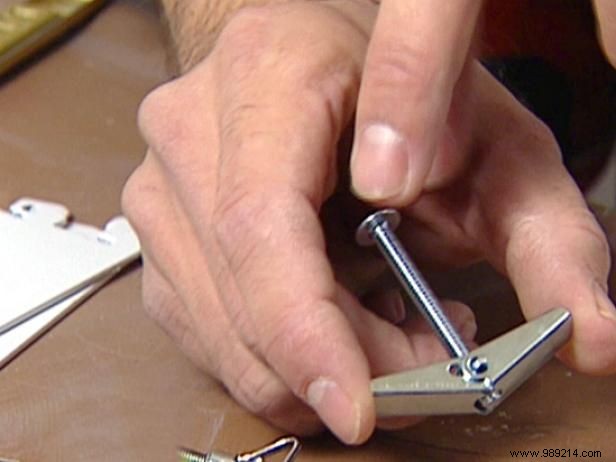
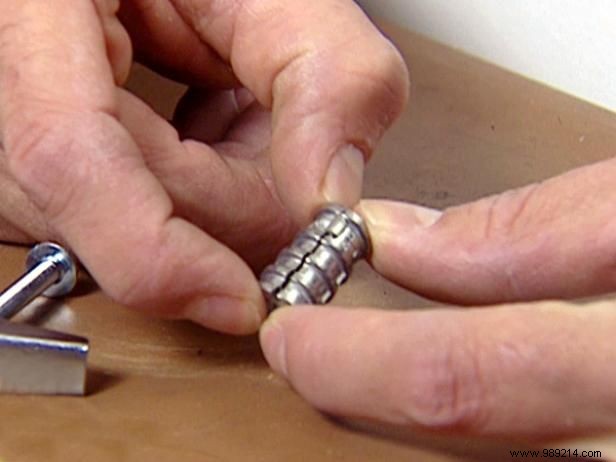
For installing shelf standards, select appropriate wall anchors (Image 1). For drywall, drill a hole and insert the anchor, which expands to grip the screw securely. Options include durable plastic or metal versions for thicker walls. Butterfly bolts (Image 2) function similarly: drill the hole, insert with metal wings facing down, and the wings deploy inside to hold large screws firmly—note they are permanent once installed. For cinder block walls, use lead anchors (Image 3) to secure screws effectively. Self-tapping drywall anchors require no drilling and screw directly into place.
Position the shelf standards against the wall. Measure and mark the desired distance from the ceiling or floor for the top and bottom of each standard. Determine spacing based on shelf length, ensuring at least 8 inches of overhang beyond the outer standards to prevent shelves from resting on bracket edges.
Hold the first standard in place, using a level to ensure it's perfectly plumb and level. Mark anchor positions through the pre-drilled holes with a pencil. Use a stud finder to locate wall studs and prioritize screwing into them for maximum strength, avoiding unnecessary anchors.
Remove the standard, then drill and insert anchors at the marked spots—or use a power screwdriver for self-tapping types.
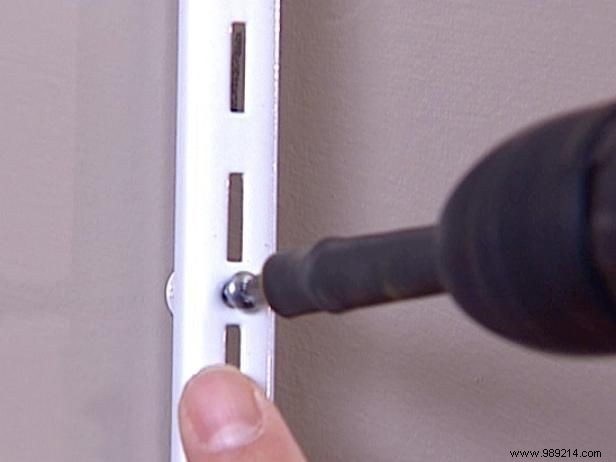
Reposition the standard over the anchors, recheck level and plumb. Drive screws through the slots into the anchors, tightening securely.
Verify spacing between standards, then repeat for the second one using the same precise process.
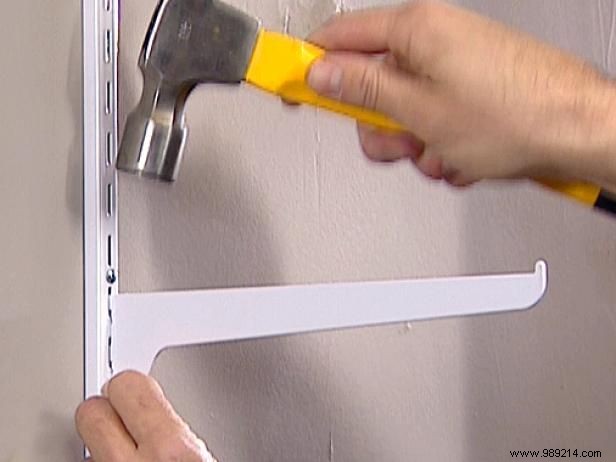
Slot the shelf supports into the desired positions on the standards and tap gently with a hammer to lock them in. Place the shelf on top of the supports for sturdy, reliable storage.
